
Introduction
This is something I explain to families all the time, especially right after a loved one gets home from the hospital.
They call me, relieved that the surgery went well, and then they ask: Do we really need to do physical therapy? Can’t she just rest and let the body heal on its own?
I get it. The surgery is done. Your family member is tired. You want her to rest. But here’s the honest truth: after surgery, the body doesn’t just bounce back on its own. Not for seniors. And the longer movement is put off, the harder recovery becomes.
Physical therapy for seniors isn’t about pushing people too hard too soon. It’s about guiding the body back to movement in a safe, structured way. It’s about preventing the setbacks that happen when someone stays still for too long.
Let me walk you through why this matters so much, what therapy actually looks like, and what happens when it’s skipped.
Why Recovery Is Slower for Seniors
Younger adults usually bounce back from surgery in weeks. Seniors often take months. That’s not a failure. It’s just biology.
As we age, muscle mass decreases. The body loses strength faster after periods of rest or inactivity. So when a senior spends even a few days mostly in bed after surgery, she can lose muscle tone that took years to build. This is sometimes called deconditioning. It happens quietly, and it makes everything harder.
Balance also becomes an issue. Surgery, pain medications, and reduced movement all affect how steady a person feels on their feet. That raises the risk of falls, which are one of the leading causes of serious injury in older adults.
Joint stiffness sets in faster too. When joints aren’t moved regularly, the tissue around them tightens. What starts as mild stiffness can become a significant mobility problem within days.
So when I say seniors need structured support to recover, I’m not exaggerating. Their bodies just need more help getting back on track.
What Physical Therapy Actually Does
A lot of people picture physical therapy as an intense workout. It’s really not.
In the early days after surgery, a therapist might focus on getting in and out of bed safely, walking short distances with assistance, range of motion exercises done while sitting or lying down, and breathing exercises if the surgery involved the chest or abdomen. That’s it. Nothing dramatic.
But those small steps add up to real recovery. Physical therapy for seniors works on three main things:
- Rebuilding strength in the muscles that were affected by surgery or bedrest
- Restoring range of motion in joints that have tightened up
- Improving balance and coordination to prevent falls during recovery
A therapist watches how the person moves, identifies weak spots, and creates a plan that fits exactly where they are. Not a generic plan. A personal one.
I’ve seen people recover faster when therapy is consistent, even when the sessions are short. The body responds to regular, guided movement in ways that rest alone simply can’t replace.
What Happens If Therapy Is Skipped
Skipping therapy often slows things down more than people expect. And sometimes it leads to problems that are hard to reverse.
Here’s what I’ve seen happen when seniors skip post surgical therapy:
- Joints stiffen significantly, making it painful to move even weeks later
- Muscles weaken further, making walking and basic activities feel impossible
- Blood clot risk increases when the legs aren’t moved regularly
- Falls become more likely as balance stays compromised without targeted training
- Confidence drops, and many seniors become fearful of moving at all
That last one is something families don’t always anticipate. Fear of pain, fear of falling, fear of undoing the surgery. It creeps in when there’s no one guiding the process. Therapy addresses that fear directly, in a hands on way.
Real Benefits of Physical Therapy After Surgery
Let’s talk about what therapy actually does for recovery. Not in vague terms. In real, practical ones.
Faster recovery. Seniors who receive consistent physical therapy after surgery typically return to daily activities sooner than those who don’t. Guided movement helps the healing tissue rebuild properly, without unnecessary compensations that lead to pain later.
Reduced pain. This surprises people. Moving more actually reduces pain over time. Gentle exercises increase circulation, reduce swelling, and prevent the stiffness that makes pain worse. Most of my patients feel better after their first few sessions, not worse.
Better independence. The goal isn’t just to recover from surgery. It’s to get back to life. Therapy teaches seniors how to dress, bathe, walk, and move safely again. That independence is something people genuinely want back, and therapy is the path to it.
Lower risk of complications. Regular movement keeps the circulation going, reduces pneumonia risk from prolonged bed rest, and prevents the skin breakdowns that can happen when someone stays in one position too long.
What Therapy Sessions Actually Look Like
People sometimes expect therapy to look like a gym workout. It’s much calmer than that.
In the early phase right after surgery, a therapist might focus on getting in and out of bed safely, walking short distances with assistance, range of motion exercises done while sitting or lying down, and breathing exercises if the surgery involves the chest or abdomen.
As strength and confidence build, physical therapy exercises at home might include standing heel raises, seated leg lifts, gentle stretches for the hips and knees, and short walking routines. These aren’t intense. They’re deliberate.
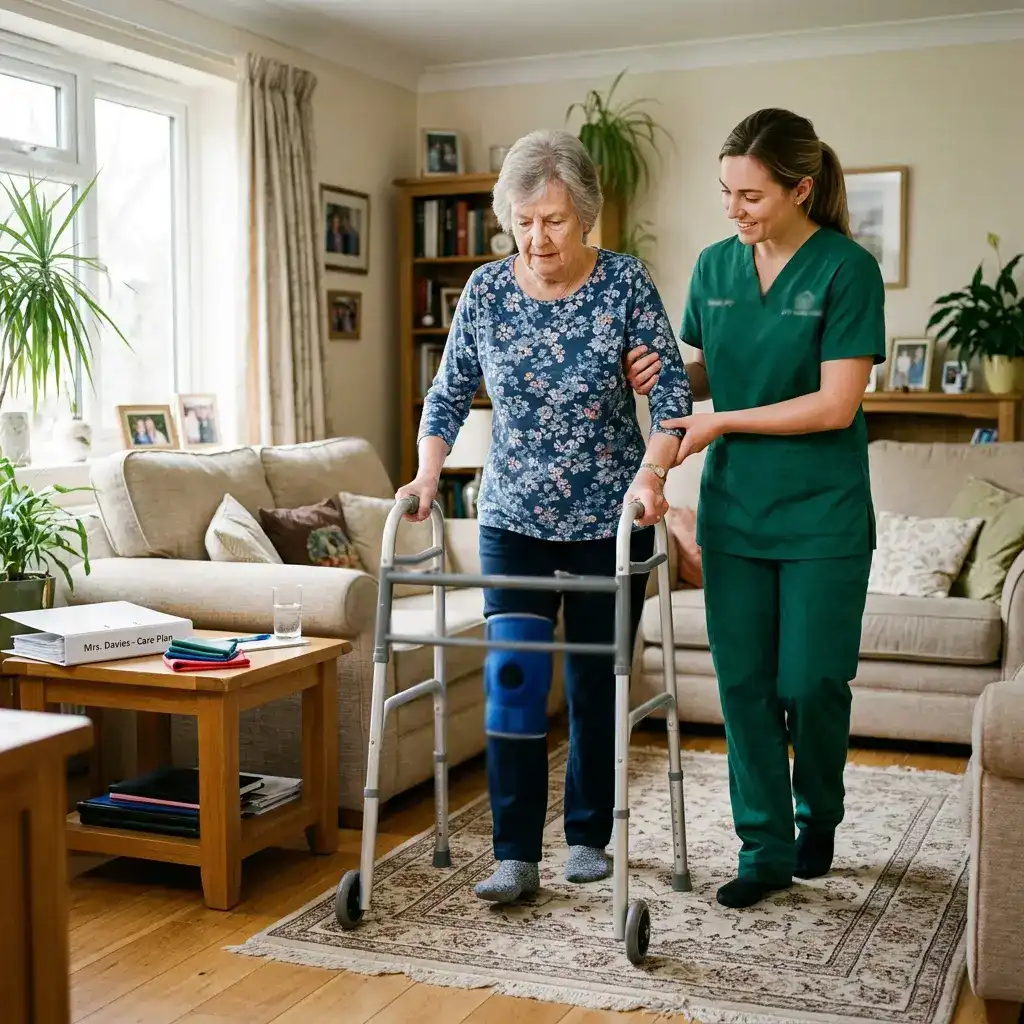
Home care physical therapy is particularly effective because the therapist can watch how the person moves in their actual living space. They can point out trip hazards, suggest where to put grab bars, and teach the family how to assist safely.
Every session starts where the patient is. Not where they should be. That’s the key.
In-Home Physical Therapy: Why It Works Well for Seniors
For many seniors, getting to an outpatient clinic after surgery isn’t realistic. The drive is tiring. Waiting rooms are stressful. And honestly, getting dressed and into a car can feel like a workout in itself after a major procedure.
That’s where in-home physical therapy for seniors makes a real difference. The therapist comes to the patient. Care happens in the place where the person actually lives and moves.
There’s less stress involved. The senior is in a familiar environment, which actually helps them move more naturally and with less anxiety. And the exercises are designed for the specific layout of their home, not a generic clinic space.
Home health care physical therapy near me is one of the most searched phrases I hear from families trying to find help quickly after a hospital discharge. The good news is that home based therapy is widely available, often covered by Medicare, and just as effective as clinic based care for post surgical recovery in older adults.
In-home physical therapy services near me can often be arranged within a day or two of discharge, which is exactly the window when early movement matters most.
The Role of Home Health Professionals in Recovery
Recovery after surgery rarely involves just one person. It’s a team.
A licensed physical therapist leads the movement and strength work. They assess the patient, create the plan, and adjust it as recovery progresses. A physical therapy assistant home health care professional often carries out the day to day sessions under the therapist’s guidance. They’re trained, hands on, and an important part of the process.
Nurses may also visit to manage wound care, monitor vitals, and check for signs of infection or complications. Occupational therapists might work alongside the physical therapist to focus on daily tasks like cooking, bathing, and dressing.
Physical therapy home health care works best when this whole team communicates. When the nurse sees something concerning, the therapist adjusts the session. When the patient makes progress, the plan is updated. It’s responsive care, not a fixed script.
Local Support Across Illinois Communities
For families in the southwest Chicago area and surrounding suburbs, in-home therapy is accessible and practical. Whether you’re looking for in-home physical therapy for seniors in Evergreen Park, support in Berwyn, Cicero, or Elmwood Park, or in-home physical therapy for seniors in Orland Park IL, there are home health agencies that bring qualified therapists directly to the patient.
Communities like Oak Park, Evanston, and the broader Chicago metro area have strong home health networks. Home health care and physical therapy in Berwyn and home health care and physical therapy in Elmwood Park are available through agencies that specialize in post surgical senior recovery. Families in Cicero can access physical therapy home health care in Cicero, while those further north can find physical therapy exercises at home in Evanston tailored to their needs.
If you’re researching in-home physical therapy services Oak Park Chicago, the key is finding an agency that sends licensed therapists who specialize in older adult recovery. Ask about their experience with post surgical patients specifically.
How Long Does Recovery Actually Take?
This is the question families ask most. And the honest answer is: it depends.
After a hip or knee replacement, many seniors begin to walk with assistance within a day or two of surgery. Regaining full confidence and strength can take anywhere from six weeks to several months. After abdominal surgery or a cardiac procedure, the timeline is different again.
What consistently makes the biggest difference isn’t the type of surgery. It’s consistency in therapy.
I’ve seen patients who pushed through two or three sessions a week recover significantly faster than those who attended sporadically. Small progress adds up. A little more movement today. A little more strength next week. By week four or five, the difference is visible.
Progress isn’t always linear. Some days are harder. That’s normal. What matters is showing up.
Common Mistakes That Slow Recovery
After years of working with post surgical seniors, I’ve noticed a few patterns that consistently slow people down.
Skipping sessions. It’s tempting, especially on days when someone feels tired or sore. But missed sessions interrupt the momentum of recovery. The body needs regular movement to keep progressing.
Overdoing it on good days. When someone feels better, they sometimes try to make up for lost time by doing too much. That often leads to soreness or minor injury that sets them back.
Waiting too long to start. Some families think they should wait a week or two before beginning therapy. In most cases, gentle movement should start as soon as the medical team clears it. Early movement is protective.
Doing exercises without guidance. Physical therapy exercises at home are effective, but only when done correctly. A therapist checks form and adjusts techniques to prevent strain on healing tissue.
Expecting perfection. Recovery is messy. Bad days are part of it. The goal is a general trend toward improvement, not a perfect streak.
Common Questions Families Ask
How soon after surgery should therapy start?
In most cases, some form of gentle movement begins within 24 to 48 hours of surgery. Formal physical therapy often starts within the first week after discharge. Your doctor or hospital discharge planner will coordinate the timing based on the type of surgery.
Can physical therapy really be done at home?
Yes, absolutely. In home physical therapy for seniors is a well established part of home health care. A licensed therapist visits the home and conducts the same exercises and assessments that would happen in a clinic. For many seniors, it’s actually more effective because it’s in their real environment.
Will therapy hurt?
There can be some discomfort, especially in the early sessions when muscles and joints are stiff. But good therapy should never cause sharp or intense pain. A therapist always works within the patient’s tolerance and adjusts the plan if something causes too much discomfort. The goal is gradual progress, not pushing through pain.
How often will therapy be needed?
Most post surgical recovery plans call for two to three visits per week in the initial phase. As the person gets stronger and more independent, sessions may become less frequent. The therapist will monitor progress and adjust the schedule accordingly.
Does Medicare cover home physical therapy?
Medicare Part A and Part B both cover home health services, including physical therapy, when certain criteria are met. The patient must be homebound and the care must be ordered by a doctor. Most post surgical seniors qualify. It’s worth confirming coverage details with the home health agency before services begin.
Is home therapy as effective as going to a clinic?
For post surgical recovery in seniors, research and clinical experience both suggest that home based physical therapy is just as effective as outpatient therapy. For many older adults who find travel difficult, it’s actually more practical and leads to better consistency.
Recovery Takes Time. Therapy Makes It Count
I’ve seen what recovery looks like with and without therapy. The difference is real.
With therapy, seniors regain strength steadily. They get back to walking, to the kitchen, to their routines. Their confidence rebuilds. They feel less afraid of movement and more in control of their bodies.
Without it, recovery stalls. Things that could have been resolved in weeks drag on for months. And sometimes permanent limitations settle in that we don’t have to.
If you’re a family member reading this after your loved one’s surgery, please don’t wait on therapy. It doesn’t have to be intense. It doesn’t have to be long. It just has to be consistent.
And if getting to a clinic isn’t an option, in-home services are a practical, effective alternative. The care comes to the person. That’s what matters.
Recovery from surgery is hard. But with the right support, seniors can absolutely get back to the life they had before. Therapy is a big part of how that happens. Read more