
Introduction
When a loved one is recovering from a respiratory illness, families often face a difficult decision: stay longer in the hospital or continue recovery at home with professional support. For many seniors and people with chronic lung conditions, prolonged hospital stays can feel reassuring at first but over time, they often come with challenges that slow healing rather than support it.
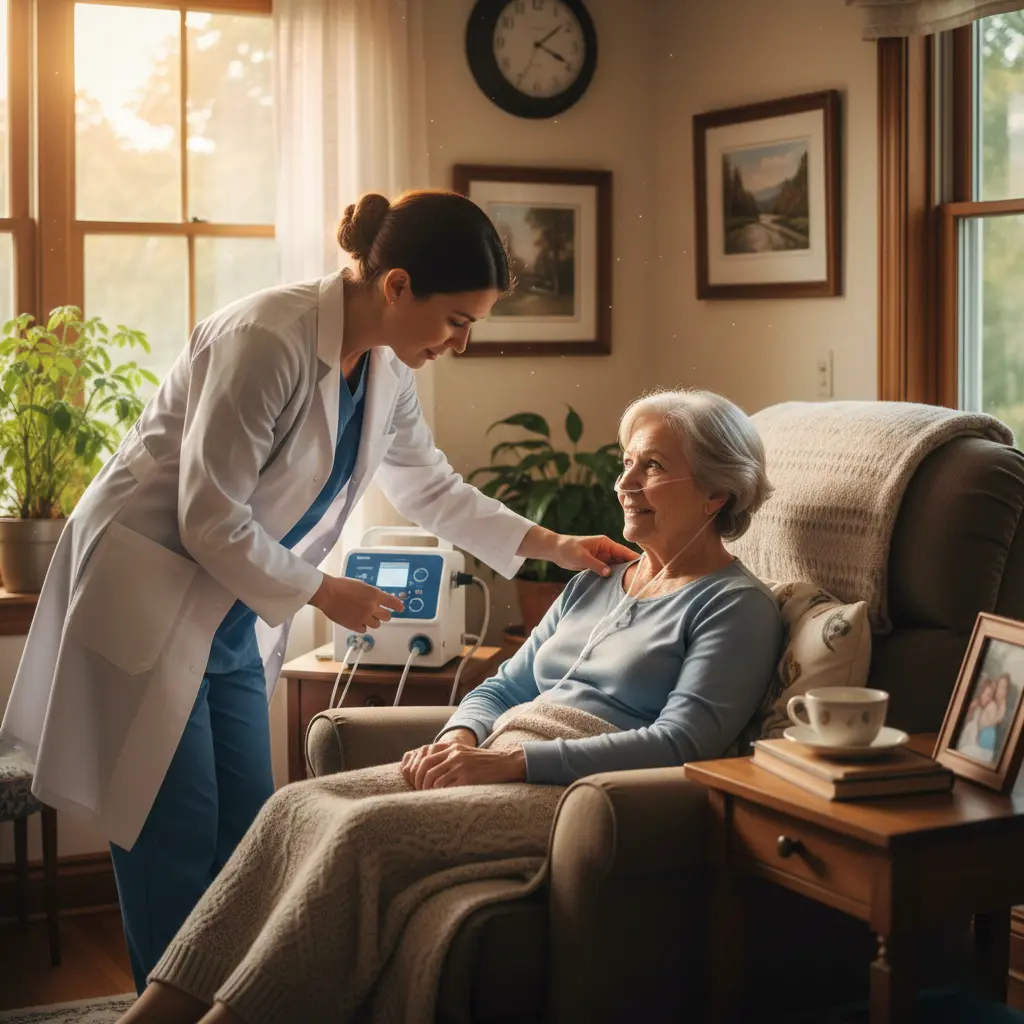
Across Chicago and Illinois, more families are choosing in-home respiratory care as a safer, more comfortable, and more practical recovery option. This approach allows patients to heal in familiar surroundings while still receiving skilled medical oversight and daily assistance.
This article explains why in home respiratory care is often better than hospital recovery, especially for seniors. It explores comfort, safety, emotional well being, infection risks, family involvement, and long term outcomes so families can make informed, confident decisions.
Hospital Recovery vs. In-Home Respiratory Care: Understanding the Difference
Hospitals are essential during medical emergencies. They provide advanced equipment, constant monitoring, and access to specialists. But once a patient is stable, the hospital is not always the best place for recovery particularly for respiratory patients.
In contrast, in-home respiratory care focuses on recovery, maintenance, and prevention. Care is delivered in a familiar environment, tailored to the patient’s daily routine, and paced according to their energy and comfort.
For seniors, this difference matters. Healing from pneumonia, COPD flare ups, post COVID breathing issues, or other respiratory conditions often takes weeks or months. Where that healing happens can significantly affect outcomes and quality of life.
Common Challenges Patients Face During Hospital Recovery
Many families are surprised to learn that longer hospital stays can actually create new problems for older adults with respiratory conditions.
Increased Risk of Hospital Acquired Infections
Hospitals treat many illnesses at once. Seniors with weakened immune systems are more vulnerable to infections like pneumonia, urinary tract infections, or antibiotic resistant bacteria.
Disrupted Sleep and Rest
Healing requires rest. Hospitals are noisy, brightly lit, and busy around the clock. Interrupted sleep can slow recovery and increase confusion in older patients.
Limited Mobility
Hospital beds often encourage inactivity. Reduced movement can lead to muscle weakness, balance issues, and longer rehabilitation times especially for seniors.
Emotional Stress and Anxiety
Being away from home can increase anxiety, particularly for patients who already struggle with breathing difficulties. Stress can worsen shortness of breath and fatigue.
These challenges are a major reason families in Chicago explore in home health care for seniors in Chicago once hospitalization is no longer medically necessary.
What In Home Respiratory Care Includes
In-home respiratory care is not less. It is different care, designed around recovery rather than crisis.
Services may include:
- Oxygen therapy setup and monitoring
- Breathing exercises and airway clearance techniques
- Support with inhalers, nebulizers, and respiratory equipment
- Symptom monitoring and early warning signs
- Energy conservation strategies for daily activities
- Coordination with physicians and specialists
In Chicago, many home health care agencies in Chicago offer these services as part of a broader care plan that adjusts as recovery progresses.
For families searching for in home respiratory therapy Chicago, care is typically delivered by licensed professionals working alongside skilled nurses and caregivers.
Comfort, Safety, and Emotional Benefits of Recovering at Home
One of the biggest advantages of in-home care is comfort but comfort is more than convenience. It directly affects healing.
Familiar Surroundings Support Healing
At home, patients sleep in their own bed, eat familiar foods, and follow routines that make them feel secure. This sense of normalcy reduces stress and supports better breathing patterns.
Emotional Well Being Improves Outcomes
Seniors recovering at home often feel more motivated and engaged. They are surrounded by personal belongings, family photos, pets, and loved ones all of which contribute to emotional stability.
Personalized Attention
Unlike hospitals, where staff rotate frequently, in-home care offers consistent caregivers. This continuity helps professionals notice small changes in breathing, energy levels, or mood.
Many families describe this approach as more humane and respectful especially for aging loved ones needing aged home care in Chicago.
Reduced Infection Risks and Better Healing at Home
One of the most compelling reasons families choose in-home care is safety.
Hospitals, by nature, expose patients to multiple illnesses. At home:
- Exposure to infectious diseases is lower
- Care environments are controlled and familiar
- Equipment is used by one patient only
For respiratory patients, avoiding additional lung infections is critical. Even a mild illness can significantly set back recovery.
This is why many physicians support transitioning stable patients to home health care in Chicago Illinois as soon as it is medically appropriate.
The Role of Skilled Nursing and Medication Management
Respiratory recovery often involves complex medication schedules. Steroids, inhalers, antibiotics, and oxygen therapy must be carefully managed.
Medication Management Services for Seniors
Medication management services for seniors help ensure:
- Medications are taken correctly and on time
- Inhalers and nebulizers are used properly
- Side effects are recognized early
- Medication interactions are avoided
Mistakes with respiratory medications are common and can quickly lead to setbacks. Having professional oversight at home reduces this risk significantly.
Skilled Nursing Support
Skilled nurses may:
- Monitor oxygen levels and vital signs
- Assess lung sounds and breathing effort
- Adjust care plans with physician guidance
- Identify early signs of infection or decline
Trusted providers such as Choice Care Home Health Care are known for coordinating skilled nursing and therapy services while maintaining close communication with families and doctors.
How In-Home Respiratory Therapy Supports Seniors in Chicago
Seniors living in large urban areas face unique challenges, air quality concerns, mobility limitations, and access to transportation among them.
In home respiratory therapy Chicago programs are designed with these realities in mind. Therapists help patients learn how to manage symptoms safely within their actual living environment, not a hospital room.
Care may include:
- Teaching breathing techniques for climbing stairs or walking outside
- Adjusting oxygen use for daily routines
- Identifying environmental triggers in the home
- Supporting long term disease management
Families often search for in home respiratory therapy near you because convenience and consistency matter, especially during recovery.
Cost, Convenience, and Family Involvement
Hospital stays are expensive. Even with insurance, extended inpatient recovery can result in high out of pocket costs.
In home care often:
- Reduces overall healthcare expenses
- Lowers the risk of costly readmissions
- Allows family members to participate in care
- Eliminates transportation challenges
Adult children balancing work and caregiving responsibilities often find home help for seniors in Chicago more sustainable than repeated hospital visits.
In home care also allows families to learn how to support recovery safely, creating confidence instead of confusion.
Home Care Options for Respiratory Diseases
Recovery needs vary. Many of the best home health care services in Illinois offer flexible options, including:
Non Medical Home Care
Sometimes called home instead home care, this includes:
- Assistance with bathing and dressing
- Meal preparation
- Light housekeeping
- Companionship and supervision
Medical Home Health Care
This includes:
- Skilled nursing
- Respiratory therapy
- Physical or occupational therapy
- Medication oversight
Together, these options create a safety net that adapts as recovery progresses.
Choosing Reliable Home Health Care Agencies in Chicago & Illinois
Not all agencies offer the same level of experience or coordination. When comparing best home health care agencies in Chicago, families should consider:
- Licensing and accreditation
- Experience with respiratory conditions
- Availability of skilled nursing and therapy
- Clear communication and care planning
- Strong local reputation
High quality home health care services in Chicago should feel like a partnership not a transaction.
Frequently Asked Questions
Is in-home respiratory care safer than hospital recovery?
For stable patients, home care often reduces infection risk and supports emotional well-being. Safety depends on proper assessment and professional oversight.
Can seniors receive hospital level care at home?
Home care does not replace emergency treatment, but it can safely support recovery and chronic management after hospitalization.
Who qualifies for in home respiratory care?
Patients recovering from respiratory illness, managing chronic lung disease, or needing oxygen support may benefit.
How long does in-home care last?
Care duration varies. Some patients need short-term support, while others benefit from ongoing assistance.
Conclusion: Helping Families Make the Right Recovery Choice
Choosing between hospital recovery and in home respiratory care is not about choosing less care, it’s about choosing the right care at the right time. For many seniors and respiratory patients in Chicago and Illinois, recovering at home offers:
- Greater comfort
- Lower infection risk
- Personalized support
- Better emotional well being
With experienced providers, skilled nursing, and therapies delivered at home, recovery becomes more manageable and less overwhelming. Families considering this option should start with open conversations, physician guidance, and trusted local providers. When done well, in-home respiratory care doesn’t just help patients heal it helps them live better while healing. Read more