
Introduction
I’m going to talk to you the way I usually do when I’m sitting at a kitchen table or on the edge of a couch, when the house is quiet and someone finally asks the question they’ve been holding in. So, let’s slow this down.You’re not wrong for wondering when this becomes too much. Almost every family does. And most wait longer than they think they should, not because they don’t care, but because they’re hoping they can keep handling it on their own a little longer. And because it’s hard to know where that line is.
I’ve seen families wait too long because they weren’t sure what too much really looked like. And the truth is, it doesn’t usually arrive all at once. It creeps in.
Why families struggle to know when help is needed
Respiratory disease is tricky that way.It doesn’t always look dramatic. There isn’t always a clear moment where everything changes. Sometimes it’s just small adjustments piling up. You sleep with one ear open. You watch their chest rise. You learn the sound of their breathing without realizing you’re doing it.
You start saying things like, They’ve had worse days, or This is just how mornings are now. And maybe it is. But sometimes it’s also a sign that the load has shifted. Slowly. Quietly. Families struggle because breathing problems can look manageable right up until they aren’t. And by the time it feels urgent, everyone is already exhausted.
What respiratory diseases look like at home
When people picture respiratory disease, they often imagine oxygen tanks and hospital beds.
- At home, it’s usually subtler than that.
- It looks like someone who needs to sit down halfway through getting dressed.
- Someone who takes longer to answer because they’re catching their breath.
- Someone who used to shower alone but now wants the door open. Just in case.
Shortness of breath is the big one, of course. But fatigue is just as heavy. Breathing takes work. Real work. When your lungs aren’t doing their job well, everything else costs more energy. You might notice anxiety creeping in too. Not always panic. Sometimes it’s just a constant edge. A fear of moving too fast. A fear of coughing. A fear of lying flat. Oxygen use can change over time. Maybe it started at night only. Then during naps. Then during the day. And you adjust. You always do. But sometimes the adjustments become constant. And that’s usually when families start asking this question.
Early signs that home care may be needed
These are the signs families often miss, or explain away. Not because they’re careless. Because they’re close. You might notice the hospital visits start happening more often. Not always long stays. Sometimes just ER trips. Breathing treatments. A few hours of observation.
You might notice medications changing more frequently. Inhalers added. Nebulizers are used more often. Steroids prescribed again. You might notice sleep changing. More waking at night. Sleeping upright. Naps that don’t seem to help. Another big one is how much time you spend watching.
Watching their color. Their breathing rate. Their energy. If you can’t relax when you leave the room, that matters. And then there’s your own body. Your own exhaustion. Your own worry. That counts too.
When breathing problems start affecting daily life
This is often where things cross from hard into too hard to manage alone. When breathing issues start shaping the entire day. Meals become smaller because eating takes effort. Or they stop halfway because they’re winded. Walking from the bedroom to the bathroom becomes a planned event. Shoes sit by the door unused. Outings are avoided because it’s just too much.
Bathing becomes risky. Steam makes breathing worse. Standing feels unsteady. You find yourself listening through the door. Safety starts to feel fragile. And sleep, sleep changes everything. If breathing is labored at night, no one rests. Not them. Not you. Nights become something to endure instead of recover from. When daily life starts shrinking around breathing, that’s usually a sign that extra support could help.
When professional support becomes necessary
This is the part families sometimes resist, and I understand why. Bringing in professional help can feel like admitting something. Like crossing a line you didn’t want to cross yet. But home health care isn’t about giving up. It’s about sharing the weight.
There’s a point where watching and worrying isn’t enough anymore. Where skilled eyes and hands make things safer. Calmer. Families often start looking for in-home respiratory therapy near me when they realize they’re managing symptoms, but not truly supporting the disease.
Professional support becomes necessary when you’re reacting all the time instead of staying ahead of problems. When you’re unsure what changes are normal and which ones are dangerous. When you’re afraid of missing something. That’s not a failure. That’s awareness.
What in home respiratory care actually provides
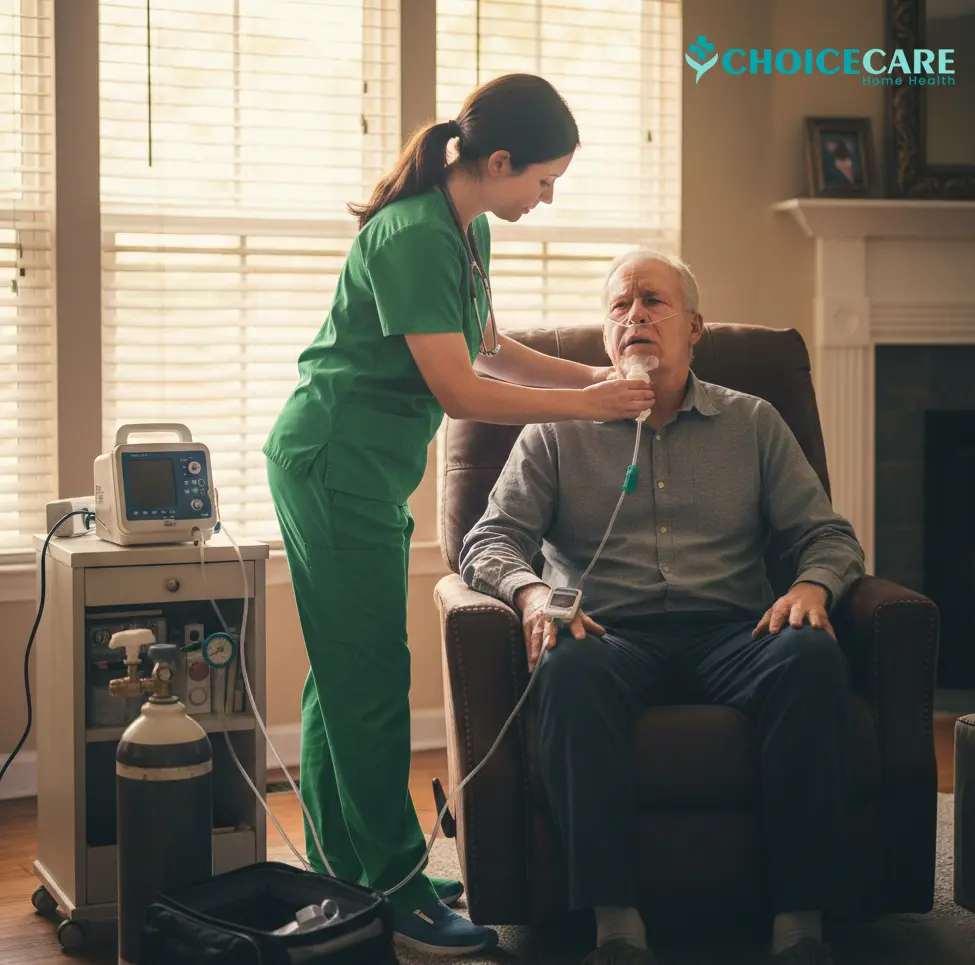
People sometimes think home respiratory care is just someone checking oxygen. It’s more than that. A respiratory nurse or therapist looks at the whole picture. Breathing patterns. Lung sounds. Oxygen needs. How medications are being used. How equipment is set up.
They notice things families can’t. Not because families aren’t paying attention, but because they don’t have the training or distance. Education is a big part of it too. Teaching how to use inhalers correctly. How to space breathing treatments. How to recognize early warning signs.
And sometimes they teach families how to rest. How to stop carrying everything alone. Monitoring matters. Small changes get caught earlier. Adjustments get made before a crisis. That can mean fewer hospital trips. Or at least fewer surprises.
Understanding home care options
There are different Home Care Options for Respiratory Diseases, and it’s not one size fits all. Some people need skilled nursing visits a few times a week. Others need respiratory therapy support. Some need help with daily tasks that have become exhausting. Home care can be short term. Or longer. It can change as needs change. The important thing indicated here is flexibility. Support that adapts instead of forcing everything into a rigid plan. Families often worry that once home care starts, it can’t stop. That isn’t true. Care plans are adjusted all the time. This is about support, not permanence.
Respiratory care for seniors
Seniors often carry more than just lung disease. They may have heart conditions. Balance issues. Memory changes. Arthritis. All of that affects breathing too.
Senior care in Chicago and nearby areas often needs to account for the whole person, not just the lungs. Senior home care in Chicago often includes help with meals, bathing, and mobility alongside respiratory support.
In-home health care for seniors in Chicago can bridge the gap between independence and safety. It allows people to stay in familiar spaces while still receiving skilled care.
I’ve seen seniors relax once help comes in. Not because they want help, but because they no longer have to fight so hard to appear okay. And families breathe easier too. Sometimes literally.
Finding care close to home
When families finally start looking, they usually type something simple. Something like in home respiratory therapy near me. They want someone nearby. Someone who understands the local hospitals, doctors, and resources. Home health care services in Chicago can vary a lot. Some focus more on medical needs. Some blend medical and daily support. Home health care in Joliet Illinois, for example, may look different than services closer to the city. The important thing is fit. Comfort. Communication. You want people who listen. Who will explain. Who doesn’t rush.
How home care fits with other senior services
Home care doesn’t exist alone. It often works alongside older health care services in Chicago. Primary doctors. Pulmonologists. Pharmacies. Equipment providers. Good care connects the dots. Make sure everyone is on the same page. Families shouldn’t have to coordinate everything themselves. Especially when they’re already tired.
A neutral note about providers
There are agencies like Choice Care Home Health that families come across when looking for the best home health care services in Illinois. What matters most is not the name, but how they treat people. Whether they take time. Whether they respect the home. Whether they communicate clearly. Families deserve care that feels human.
Common questions families ask
How do I know if this is really necessary?
If you’re asking, it’s worth exploring. Needing information doesn’t mean committing to anything.
Will this take away their independence?
Often it preserves it. Support can make independence safer.
Is this only for end stage disease?
No. Early support can make later stages easier.
What if they don’t want help?
That’s common. Sometimes starting slowly helps. One visit. One conversation.
Will someone be here all the time?
Not usually. Care plans are tailored. Visits vary.
Can this reduce hospital visits?
Often yes. Early intervention matters.
What if things improve?
Care adjusts. Nothing is locked in stone.
A gentle closing
So, when does it become too much to manage at home alone?
It’s when the worry never turns off. When breathing shapes every decision. When watching replaces resting. When love starts to feel like constant vigilance. Home health care isn’t about giving up control. It’s about getting support before things break. I’ve sat with many families at this point. Quiet. Unsure. Tired. And I’ve watched the relief that comes when they realize they don’t have to do everything themselves anymore. You’re not late for asking. You’re right on time. Read more