
Introduction
Finding the right home health care provider for someone you love isn’t easy. You’re looking for someone who will walk into your parent’s home or yours and treat them with dignity. Someone who knows what they’re doing. Someone you can trust when you’re not there.
And honestly? That’s a lot to ask from a stranger.
But that’s exactly what families across Illinois are doing every day. They’re searching for providers who can help aging parents stay home safely, manage medications, recover from surgery, or just get through the week with a little more support and a lot less worry.
So where do you even start?
Why This Decision Feels So Hard
Most people don’t grow up knowing how to evaluate home health care agencies. You’re suddenly thrown into a world of certifications, care plans, and intake calls. You’re comparing agencies you’ve never heard of. You’re trying to figure out if Medicare will cover it. And you’re doing all of this while your mom is struggling to get dressed in the morning or your dad keeps forgetting his pills.
It’s overwhelming. And here’s the thing every agency says they’re the best. They all have nice websites. They all say they care. But how do you know who actually delivers?
You ask the right questions. You look for the right signs. And you trust your gut a little bit, too.
What Actually Makes a Home Health Care Provider “Good”?
Let’s talk about what matters. Not the marketing. Not the stock photos. The real stuff.
Licensing and accreditation. This is non negotiable. In Illinois, home health agencies must be licensed by the Illinois Department of Public Health. If they’re Medicare certified, that’s even better it means they’ve met federal standards for quality and safety. You can verify this online before you even pick up the phone.
Staff qualifications. Who’s actually coming to the house? Are they registered nurses? Certified nursing assistants? Home health aides? What kind of training do they get? How long have they been doing this work? These aren’t rude questions. They’re necessary ones.
Consistency. One of the biggest complaints families have is the revolving door of caregivers. You finally get comfortable with someone, and then they’re gone. The best agencies try to assign the same caregiver whenever possible. It makes a huge difference.
Responsiveness. Can you reach someone when something goes wrong? Do they return calls? Do they adjust the care plan when needs change? A good agency doesn’t disappear after the contract is signed.
Specialization. Some agencies focus on post surgical care. Others specialize in dementia or Parkinson’s. Some work primarily with seniors who have mental health challenges. If your loved one has specific needs, find an agency that has experience with those needs. It’s worth it.
What Services Should You Expect?
Home health care isn’t one size fits all. Depending on the situation, you might need:
Skilled nursing care. This is for people recovering from illness or surgery, managing chronic conditions like diabetes or heart disease, or needing wound care. A registered nurse comes to the home to provide medical care that’s ordered by a doctor.
Personal care assistance. Help with bathing, dressing, grooming, toileting, and mobility. This is often what people think of when they hear home care, and it’s provided by home health aides or personal care assistants.
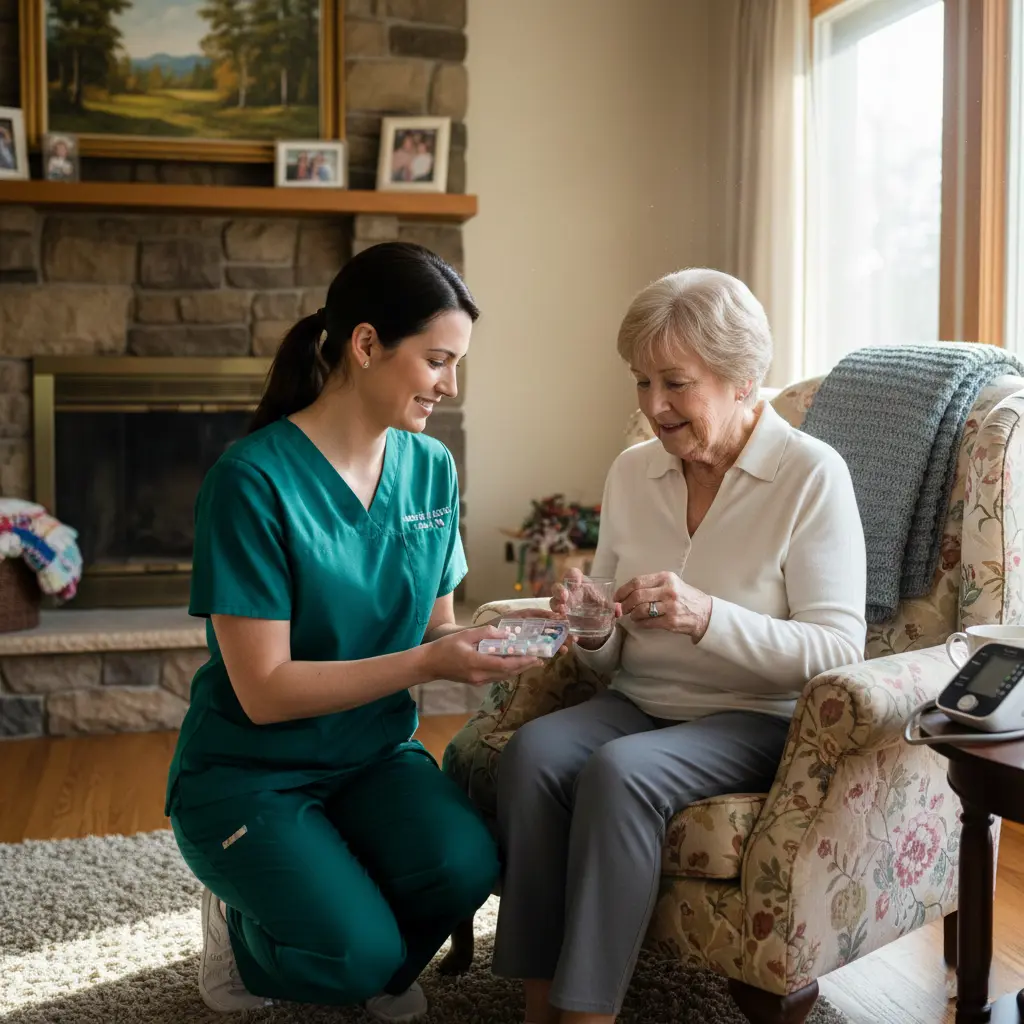
Medication management. Making sure the right pills get taken at the right time. For seniors juggling multiple prescriptions, this can be lifesaving.
Physical, occupational, or speech therapy. After a stroke, fall, or surgery, therapy at home can help someone regain independence without the stress of traveling to appointments.
Companionship and supervision. Sometimes what’s needed most is just someone there. Someone to talk to, cook a meal with, go for a walk with. Someone to notice if things seem off.
Not every agency offers every service. And not every family needs everything. So figure out what you actually need before you start making calls. It’ll save you time and confusion.
Finding Providers in Chicago vs. the Rest of Illinois
If you’re in Chicago, you’ve got options. Lots of them. The city has dozens of home health care agencies, from large national chains to small local operations. You’ll find agencies that specialize in senior care in Chicago neighbour hoods like Lincoln Park, Pilsen, Rogers Park, and beyond. Some focus on cultural or language specific care, which can be incredibly important for seniors who are more comfortable speaking Polish, Spanish, or Mandarin.
But more options doesn’t always make the decision easier.
In suburban and rural Illinois, the landscape looks different. There are fewer agencies, and some areas are harder to serve. If you’re in a smaller town downstate, you might have one or two local providers and a few that will travel from nearby cities. That doesn’t mean the care is worse, it just means you may need to plan ahead and be flexible.
Either way, start by asking people you trust. Talk to your parent’s doctor. Ask friends who’ve been through this. Check online reviews, but take them with a grain of salt. One bad review doesn’t tell the whole story, but a pattern does.
What About Home Help for Seniors Who Don’t Need Medical Care?
Not everyone needs a nurse. Sometimes what’s needed is just, help.
Home help for seniors in Chicago and across Illinois can look like a lot of things. It might be someone who comes twice a week to help with laundry and grocery shopping. It might be a companion who drives your mom to appointments and sits with her at the doctor’s office. It might be someone who checks in daily to make sure she’s eating and taking her medication.
This kind of senior home care in Chicago is often provided by non medical agencies or independent caregivers. It’s less formal, usually less expensive, and sometimes exactly what’s needed to keep someone safe and independent.
But here’s where it gets tricky: because this care is non medical, it’s not always regulated the same way. You’re trusting someone to be in your parent’s home, often alone. So do your homework. Ask for references. Run background checks. Meet the caregiver before they start. And trust your instincts.
Aged Care and Mental Health: A Growing Need
One area that doesn’t get enough attention is home care for seniors with mental health issues. Depression, anxiety, and isolation are incredibly common among older adults, especially those living alone. And then there are seniors dealing with more serious conditions bipolar disorder, schizophrenia, PTSD that don’t just disappear with age.
Finding aged home care in Chicago or elsewhere in Illinois that understands mental health takes extra effort. Not all agencies are trained for it. But the right caregiver can make an enormous difference. They know how to handle mood swings, de escalate anxiety, recognize warning signs, and provide the kind of steady, compassionate presence that helps someone feel safe.
If your loved one has a history of mental health challenges, bring it up during your intake conversations. Ask what kind of training the caregivers have. Ask if they’ve worked with similar clients. This is not the time to downplay or hide anything.
Does Medicare Pay for Home Health Care for Seniors?
This is one of the most common questions families ask, and the answer is: sometimes.
Medicare Part A or Part B can cover home health care if certain conditions are met. Your loved one needs to be homebound, meaning leaving the house takes considerable effort. They need to be under a doctor’s care, and that doctor has to order the home health services. And the care has to be considered medically necessary things like skilled nursing, physical therapy, or speech therapy.
What Medicare typically doesn’t cover is custodial care help with daily activities like bathing or dressing when that’s all that’s needed. So if your mom just needs someone to help her get dressed in the morning and make breakfast, Medicare probably won’t pay for it.
If Medicare doesn’t cover what you need, you might be paying out of pocket, using Medicaid (if eligible), long term care insurance, or veterans benefits. It’s worth sitting down with someone who understands the options. Many home health care agencies in Chicago and throughout Illinois have staff who can walk you through this.
A Quick Word About One Local Provider
Choice Care Home Health is one of the agencies serving the Chicago area. They offer a range of home health care services in Chicago, including skilled nursing, therapy, and personal care. Like many agencies, they’re Medicare certified and work with clients across different needs and situations. They’re not the only option, but they’re one that families in the area have used. If you’re comparing providers, it’s worth adding them to your list and asking the same questions you’d ask anyone else.
Questions Families Actually Ask
How do I know if my parents are ready for home health care?
You start noticing things. Mail piling up. Bruises from falls they don’t mention. Weight loss. Forgetting appointments. Missing medications. If daily life is becoming harder to manage alone, it might be time.
Can I request a specific caregiver?
Most agencies will try to accommodate requests, especially once you’ve worked with someone you like. Just ask. And if it’s not working with a particular caregiver, speak up. You’re allowed to request a change.
What if my dad refuses help?
This is tough. Some seniors see home care as a loss of independence. Frame it differently if you can. It’s about staying home longer, staying safe, having company. Sometimes it helps if the suggestion comes from a doctor instead of a family member. And sometimes it takes a trial period to ease into it.
How much does home health care cost in Illinois?
It varies widely. Skilled nursing care covered by Medicare costs you nothing if you meet the requirements. Private pay home care can range from around $25 to $40+ per hour depending on the level of care, the agency, and your location. Some agencies have minimums like a four hour minimum per visit.
What happens if the caregiver calls in sick?
Good agencies have backup plans. Ask about this upfront. How do they handle call offs? Do they send a replacement? How much notice do you get?
Are there agencies that specialize in dementia care?
Yes. And if your loved one has Alzheimer’s or another form of dementia, you want someone who understands the disease. The behaviors. The communication challenges. The safety risks. Don’t settle for “we’ve worked with dementia patients before.” Find an agency where it’s a focus.
How do I verify an agency is legit?
Check with the Illinois Department of Public Health. Verify Medicare certification if that matters to you. Look them up with the Better Business Bureau. Ask for references. And pay attention during that first meeting. Do they listen? Do they ask good questions? Do they seem rushed or dismissive? You’ll know.
So What’s the Best Choice?
There isn’t one “best” provider for everyone. The best home health care services in Illinois are the ones that match what your family actually needs. The agency that listens. The caregiver who shows up on time and treats your mom like a person, not a task. The team that adjusts when things change.
You’re looking for competence, yes. But also kindness. Reliability. Respect. Start by getting clear on what kind of help you need. Make a list of agencies that serve your area. Call a few. Ask questions. Meet with them if you can. And then trust yourself. You know your loved one better than anyone. You’ll recognize the right fit when you see it. This decision matters. Take your time. And remember you’re not doing this alone. There are people and agencies across Illinois doing this work every day because they actually care. Your job is just to find them. Read more