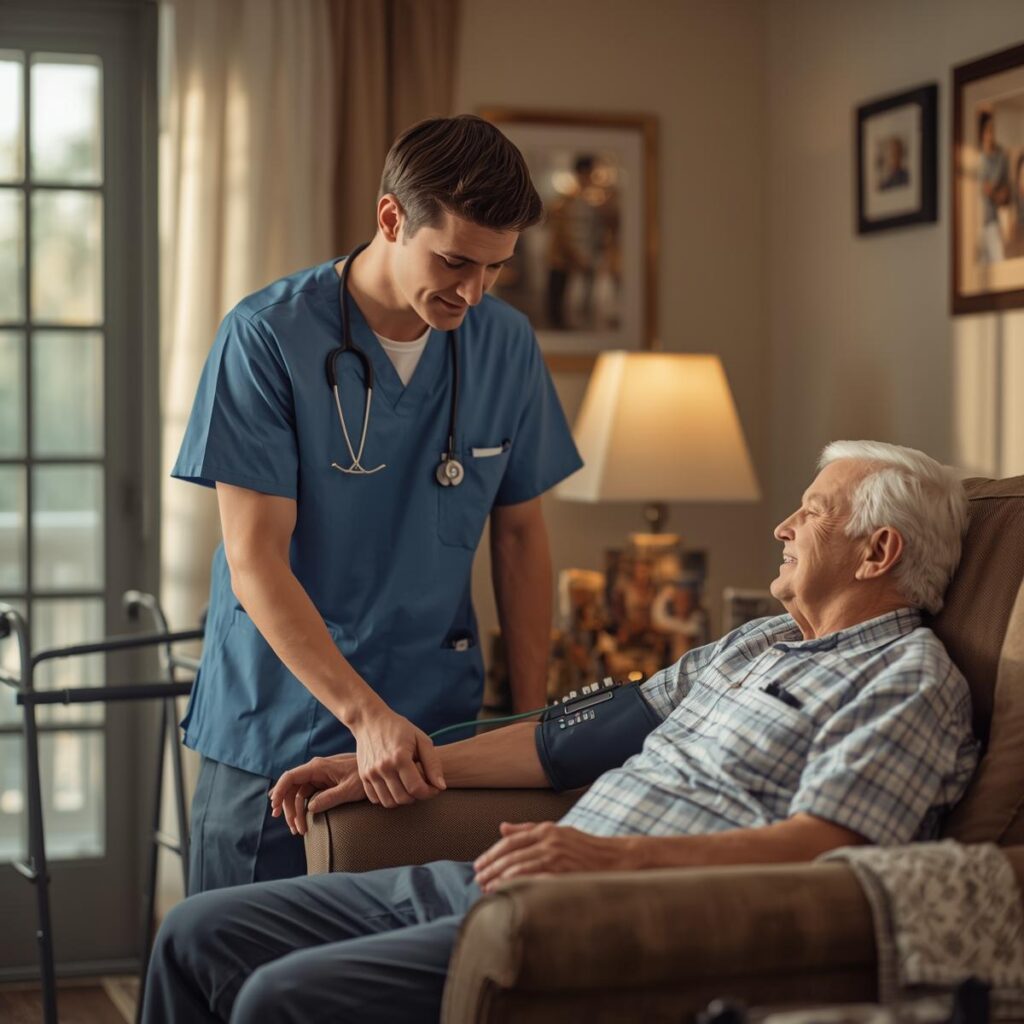
Recovering from an illness, surgery, or injury can be overwhelming for seniors. I remember visiting my neighbor, Mr. Parker, after he had hip replacement surgery. He was anxious, unsure about moving safely, and worried about managing medications. His daughter was exhausted, trying to help while juggling work. Then, a skilled nurse came to their home, and everything changed. The nurse not only checked Mr. Parker’s vitals and managed his medications but also guided him through gentle exercises and taught the family how to assist safely. Within weeks, he was walking short distances independently, feeling more confident, and even joking about his progress again. This example highlights exactly how skilled nursing in home care can make a difference. It brings professional medical support into a senior’s home, promoting faster recovery, reducing complications, and helping families feel reassured. In this guide, we will explore how it works, who benefits most, and practical tips to make recovery smoother.
What Skilled Nursing in Home Care Is
Many people confuse skilled nursing with general home care. While home aides help with daily tasks like cooking, bathing, and cleaning, skilled nurses are trained medical professionals who provide care that requires expertise. Skilled nurses, such as registered nurses (RNs) or licensed practical nurses (LPNs), can monitor vital signs, manage medications, provide wound care, and supervise rehabilitation exercises. Some agencies also include physical, occupational, or speech therapists. Think of skilled nursing as bringing a mini hospital team into your home, focused entirely on your loved one’s recovery. It is medical care in a safe, familiar environment.
How Skilled Nursing Supports Faster Recovery
Personalized Care
In a hospital, nurses care for multiple patients. At home, a nurse focuses on one senior, tailoring care to their unique needs.
For example, Mrs. Wilson had knee surgery. In the hospital, she struggled with walking because the staff couldn’t monitor her constantly. At home, her nurse guided each step, noticed fatigue, and adjusted exercises on the spot. These small changes made her recovery faster and safer.
Continuous Monitoring
Even minor changes can affect a senior’s health. A slight fever, swelling, or confusion may indicate a complication. Skilled nurses detect these early and intervene immediately, preventing hospital readmissions.
Families often notice this reassurance. One adult daughter said, Knowing someone trained was checking my mother daily made me feel safe for the first time in weeks.
Medication Management
Medication errors are a major risk for seniors. Missing doses or taking the wrong combination can delay healing or cause serious complications. Skilled nurses ensure medications are taken correctly, monitor for side effects, and adjust schedules when needed.
I remember my uncle’s nurse organizing his pills every morning. He felt more in control, confident, and less anxious. This sense of security helps seniors follow recovery plans more consistently.
Therapy and Mobility Support
Rehabilitation exercises are critical after surgery or injury. Seniors may hesitate to move, fearing pain or falls. Skilled nurses guide exercises safely, celebrate small milestones, and teach families how to assist.
Mrs. Rivera, after a hip fracture, was nervous about walking. Her nurse stayed with her, cheering her on. Within weeks, she could walk independently. This combination of physical guidance and emotional support accelerates recovery.
Healing in a Familiar Environment
Comfort and familiarity matter. Home provides a calming environment, reducing stress, improving sleep, and supporting appetite. Emotional well being directly impacts physical recovery. Simply being in her own home helped Mrs. Wilson regain strength faster than she would have in a hospital.
Who Benefits Most from Skilled Nursing
Post Surgery Recovery
After surgeries like hip or knee replacements, heart operations, or abdominal procedures, seniors need close monitoring. Skilled nurses manage wounds, pain, and mobility while teaching safe routines. Encouragement matters too. A patient shared that her nurse’s words, Just one step at a time, you’ve got this, were as important as the exercises themselves.
Chronic Illness Management
Seniors with diabetes, heart disease, or COPD require constant attention. Nurses monitor vital signs, adjust care plans, and guide lifestyle changes.
For example, Mr. Lee, recovering from heart surgery, avoided emergency visits because his nurse noticed early signs of fluid retention and intervened immediately.
Stroke Rehabilitation
Stroke survivors benefit from guided physical and speech therapy. Nurses ensure exercises are done correctly, monitor symptoms, and teach adaptive strategies for daily life. Daily consistency, combined with support, leads to faster recovery.
Recovery From Falls and Fractures
Falls are a leading cause of injury in seniors. Nurses help seniors regain mobility safely, supervise exercises, and recommend assistive devices like walkers or braces.
Mrs. Rivera, recovering from a hip fracture, initially hesitated to walk. With her nurse’s support, she regained confidence and independence faster than expected.
Real Life Examples
Mrs. Thompson: After knee surgery, she feared walking. Her nurse guided her gently, celebrated small milestones, and within weeks, she resumed gardening.
Mr. Lee: Heart patient with chronic illness. Daily monitoring by a nurse prevented hospital readmissions and helped him regain energy for hobbies.
Mrs. Rivera: Hip fracture recovery. Supervised exercises and emotional encouragement restored her mobility and confidence.
These examples show that professional guidance combined with emotional support accelerates recovery.
Tips for Families Supporting Skilled Nursing
Helping a senior recover at home works best when families are engaged:
- Make the home safe. Bright lighting, clutter free floors, and grab bars reduce risks. One small adjustment, like moving a rug, can prevent falls.
- Encourage active participation. Seniors recover faster when they engage in therapy and daily routines.
- Communicate openly with nurses. Sharing medications, health history, and concerns ensures proper care.
- Track progress. Observe energy levels, mood, and mobility to adjust routines and therapy.
- Build a support network. Family, friends, and neighbors provide encouragement, which complements professional care.
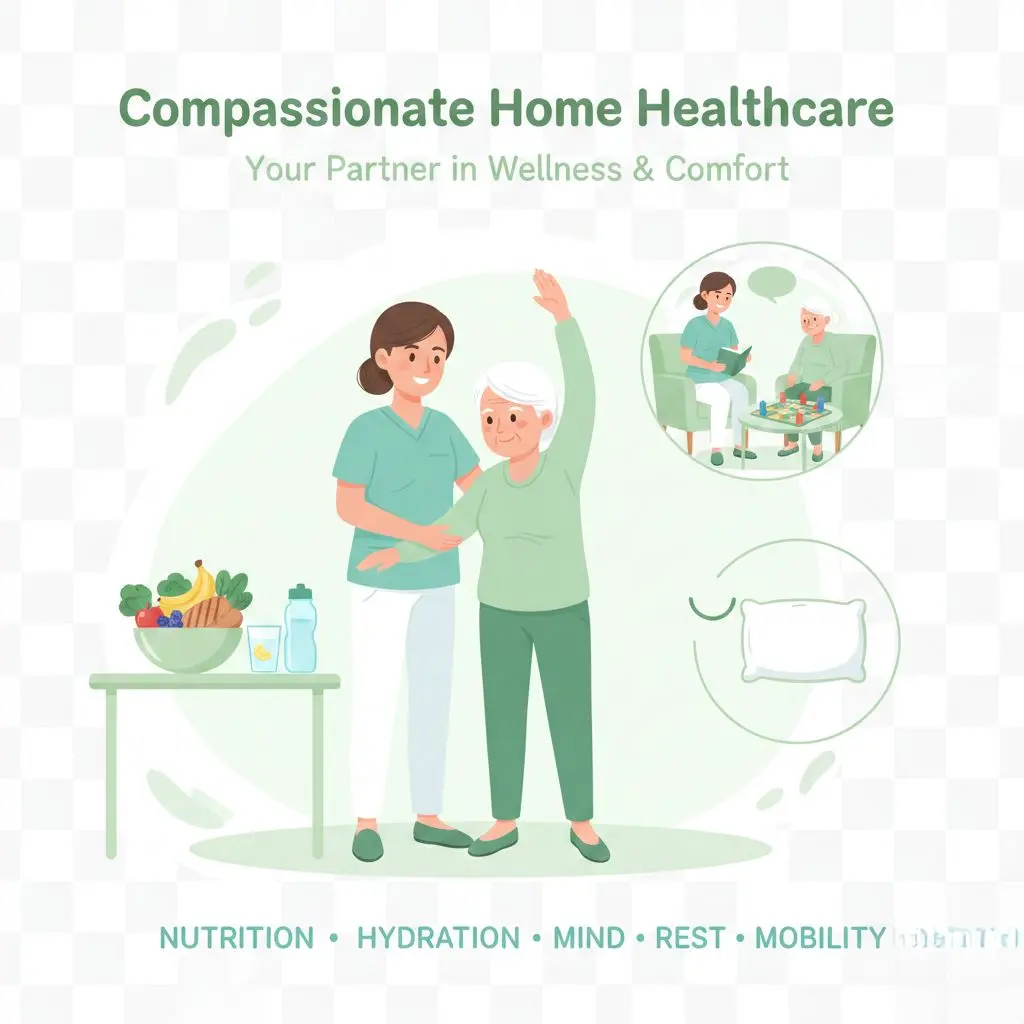
Nutrition, Mental Health, and Lifestyle
Recovery is not just about medical care. Skilled nurses guide seniors on:
- Nutrition: Protein and vitamin rich meals support healing.
- Hydration: Adequate fluids maintain energy and organ function.
- Mental health: Hobbies, social interaction, and cognitive exercises boost morale.
- Rest and sleep: Proper sleep supports tissue repair.
- Safe mobility: Gentle exercises maintain strength and prevent stiffness.
Even small adjustments in lifestyle, when combined with skilled nursing, make a noticeable difference in recovery speed.
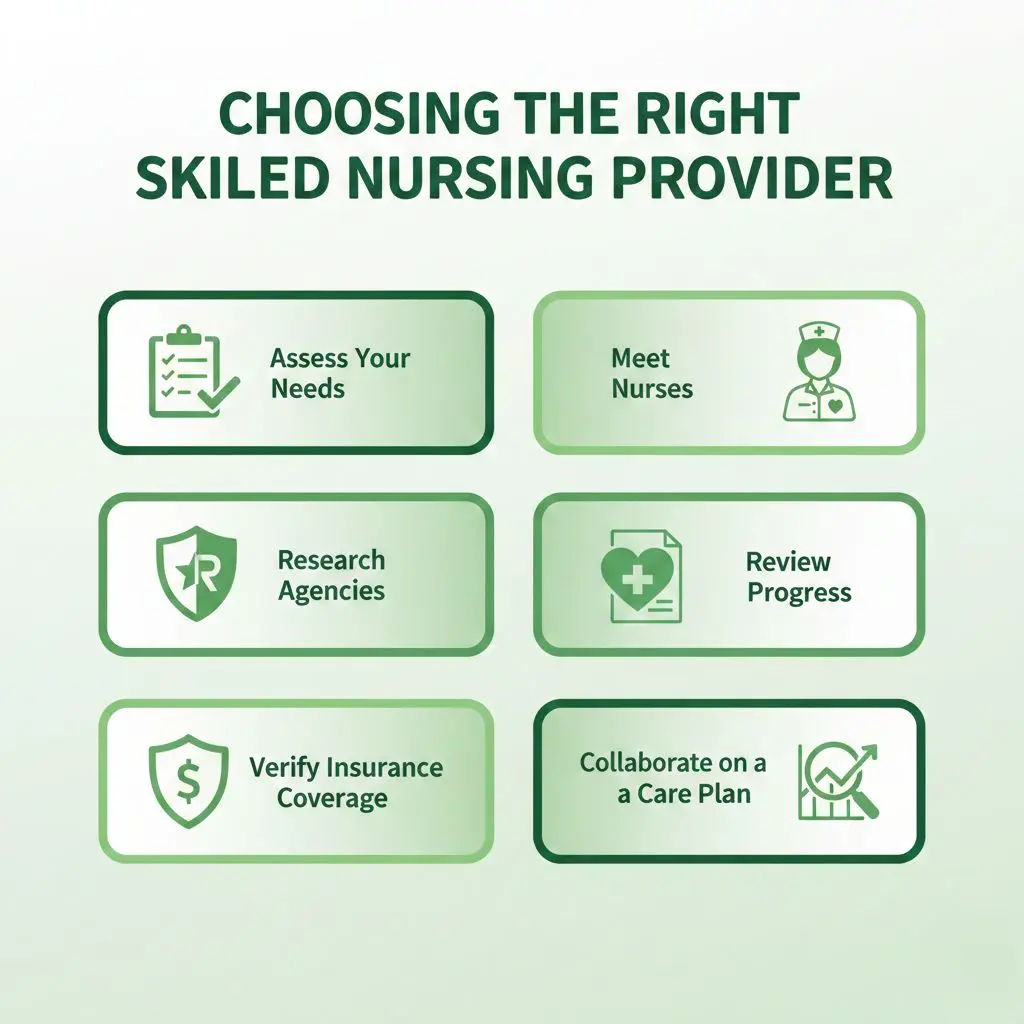
Choosing the Right Skilled Nursing Provider
- Assess your needs. Identify medical support required and duration.
- Research agencies. Check licensing, accreditation, and reviews.
- Meet nurses. Experience, communication style, and personality matter.
- Verify insurance coverage. Understand what is included and out of pocket costs.
- Collaborate on a care plan. Include doctors and therapists.
- Review progress. Recovery evolves; care plans should adapt.
Frequently Asked Questions
How long does skilled nursing at home last?
It depends on the condition, some need weeks, others months.
Does it prevent hospital readmissions?
Yes, early monitoring and intervention reduce complications.
Is it different from home health aides?
Yes. Nurses provide medical care; aides focus on personal support.
Can seniors maintain independence?
Absolutely. Nurses encourage self reliance while guiding recovery.
Conclusion
Skilled nursing in home care provides seniors with personalized medical support, emotional encouragement, and practical guidance, all within the comfort of their own homes. By offering daily monitoring, medication management, therapy support, and education for families, skilled nursing in home care help seniors recover faster, reduce complications, and regain independence. The benefits go beyond physical healing. Seniors feel safer, more confident, and emotionally supported. Families gain peace of mind knowing their loved ones are cared for by trained professionals. Small lifestyle adjustments like proper nutrition, hydration, safe mobility, and mental engagement combined with skilled nursing, make a significant difference in recovery outcomes. Whether it’s post surgery care, managing a chronic illness, or rehabilitation after a fall or stroke, skilled nursing in home care creates a safe, supportive, and effective recovery environment. Choosing this approach allows seniors to heal with dignity, comfort, and confidence, making the journey toward recovery smoother for both seniors and their families.