
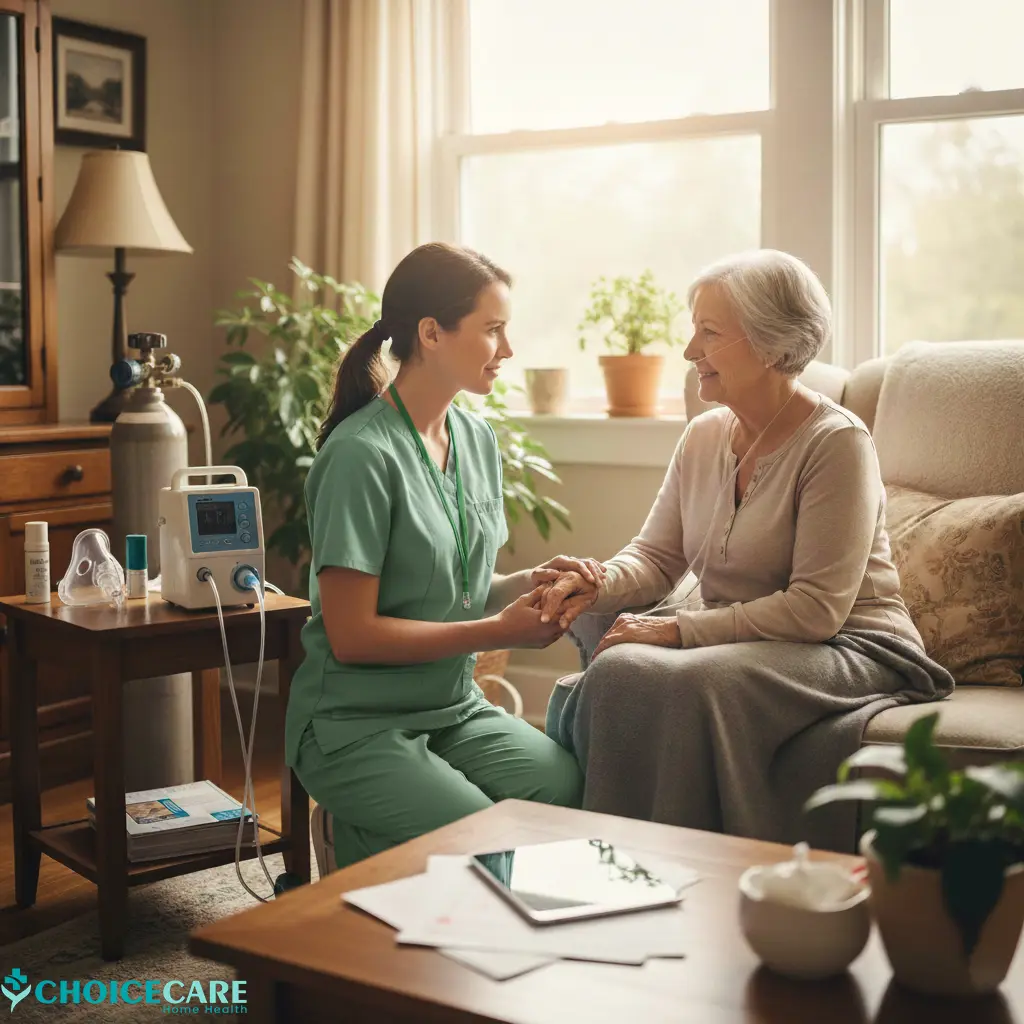
Hey so, um, I just want to start by saying if you’re here, it probably means you’re caring for someone with COPD. And well, that’s not easy. I know it can feel exhausting, confusing, even scary at times. I’ve been in homes where families just don’t know where to start, or they try to do everything themselves and well, it wears them down.
Home health care for COPD patients really can help. It’s not magic, it’s not going to suddenly fix the disease, but it gives you support. You get help with the day to day stuff, the little things that make a huge difference, and someone who’s watching for signs that things might be getting worse. And honestly sometimes it’s about just having someone else in the room so the patient and you aren’t alone.
Understanding COPD
Okay let’s take a step back. COPD stands for Chronic Obstructive Pulmonary Disease. I know, long names, scary words. Basically, it means the lungs are well, not as strong as they should be. Airflow is limited, and that makes breathing harder.
Most people with COPD get tired really easily. Something as simple as walking across the kitchen can feel like climbing a hill. Or talking for a few minutes can leave them gasping. You might notice coughing a lot, shortness of breath, or even struggling to do small chores. And sometimes they use oxygen at home. That’s completely normal. The first time I helped set up a tank in a home, the family was nervous. They thought it was complicated but really, it’s just part of the routine once you get used to it.
I’ve also noticed that breathing can change day to day. One morning they might be okay, the next day they’re winded just getting out of bed. And, honestly that’s normal. So don’t panic if it seems unpredictable.
Why Home Health Care Helps
So why bother with home health care? Well, I’ve seen families try to handle everything themselves. And, sometimes they manage. But COPD is tricky. You need someone who can watch for subtle changes, who knows when a cough or color change is serious, and someone to help keep the patient safe at home.
Home health care for COPD patients does a few important things:
- Comfort and safety: Nurses can check oxygen, help with medications, and do breathing exercises. I’ve seen families worry about inhalers and tanks. At first it looks intimidating but having someone there makes it manageable.
- Emotional support: COPD can be frustrating and scary. People get anxious when they can’t breathe easily. Just having a calm presence helps a lot.
- Practical help: Little things matter. Helping them sit up, reminding them to take their meds, making meals easier it sounds small, but it’s huge. Families often don’t realize how much just one extra hand helps.
So, really, it’s about support for both the patient and the family. A safety net.
Preparing for COPD Care at Home
Before your loved one comes home, a little prep goes a long way.
- Oxygen setup: Make sure there’s a safe spot for tanks. Avoid clutter, cords on the floor trust me, I’ve tripped over them once or twice. It’s important.
- Medications: Keep a simple list and schedule. A small organizer helps. You don’t want to be digging through bottles at 8 p.m.
- Daily routines: Try to stick to the same times for meals, meds, rest. It helps the patient know what to expect.
- Safe environment: Remove tripping hazards, make chairs easy to get into, keep spaces clear. Even small accidents can be scary for someone already short of breath.
Sometimes it seems overwhelming at first, but it becomes routine quickly. And I’ve noticed, patients feel calmer when their environment is predictable.
Daily COPD Management
Managing COPD every day at home well, it’s a mix of routine, observation, and patience.
- Breathing exercises: Things like pursed lip breathing help slow down breaths and make oxygen flow better. I often count breaths with the patient. It helps them focus.
- Monitoring symptoms: Watch for changes in color, coughing, fatigue. Oxygen can dip suddenly. I’ve seen families surprised by how quickly it happens.
- Triggers: Smoke, dust, cold air, strong smells can make symptoms worse. You’ll start noticing little things that set off breathing problems.
- Respiratory therapy at home: Some patients use nebulizers or gentle chest physiotherapy. It sounds complicated, but when done carefully, it really helps.
And each person is different. Some days, they breathe easier than others. Keeping a small daily note of oxygen levels or symptoms can help if you need to talk to a doctor.
Post Hospital COPD Care
Coming home after the hospital can be fragile. Patients are often weaker, oxygen needs may have changed, and anxiety can spike.
- Watching for complications: Fever, more coughing, green or yellow mucus these are warning signs.
- Preventing readmission: Correct medication, hydration, gentle activity, following doctor instructions. Even small slip ups can lead to another hospital visit.
- Recovery pacing: Don’t rush activity. Even walking from the bed to the kitchen can tire them out. Families often feel guilty, like they’re not doing enough, but rest is part of care.
Sometimes I notice that even small encouragements like helping them take one step at a time make a big difference in confidence.
Choosing a Provider
Finding help can be overwhelming, but here’s what matters:
- Experience: Ask if they’ve cared for COPD patients before. Not just general experience, specific experience is important.
- Communication: Can they explain things clearly, without rushing? I’ve seen families get frustrated when instructions are vague.
- Reliability: Someone who shows up consistently, on time, is worth their weight in gold.
Families exploring home health care in Illinois may come across providers such as Choice Care Home Health. Watching how caregivers interact with patients and organize care can help families decide who’s the right fit.
Lifestyle & Emotional Support
COPD isn’t just about lungs, it’s emotional too. Patients get frustrated, anxious, sometimes depressed.
- Family involvement: A calm voice, a hand on the shoulder even sitting nearby quietly can help.
- Pacing activities: Break tasks into small steps. Laundry doesn’t have to be done all at once. Small victories count.
- Nutrition and hydration: Soft foods, easy to swallow meals, and plenty of water are important. Dehydration sneaks up on families faster than you’d think.
And talking really helps. Even a little venting can ease anxiety. Patients may feel embarrassed about their breathing, so being patient and gentle matters.
Common Mistakes Families Make
- Rushing the patient: Shortness of breath is serious. Slow is okay.
- Ignoring small changes: Even slight fatigue or increased coughing can be a warning.
- Trying to do everything alone: Asking for help isn’t failing, it’s smart. Families burn out when they try to handle everything.
Signs of a Reliable Provider
- Green flags: Calm, patient, clear instructions, consistent visits.
- Red flags: Rushed, vague, inconsistent, doesn’t follow up.
These little things make a big difference day to day.
Frequently Asked Questions
How often should a COPD patient be checked at home?
Depends on severity. Daily monitoring of oxygen, symptoms, and meds is typical. Nurses might visit a few times a week, more after hospital discharge.
Can home care prevent hospital readmissions?
Yes. Correct medication use, monitoring, and early intervention help reduce flare ups.
Is oxygen therapy safe at home?
Yes, with precautions. Keep cords safe, avoid open flames, and follow instructions.
What if my loved one gets anxious about breathing?
Calm reassurance, slow breathing, sitting nearby, and gentle encouragement really help. Anxiety is normal.
Conclusion
So caring for someone with COPD at home is challenging, but also rewarding. Some days are harder than others. Sometimes things don’t go as planned. And that’s okay. Home health care for COPD patients isn’t just medical, it’s emotional support, safety, comfort, and guidance. With preparation, patience, and small routines, families can create a space where the patient feels safe, calm, and cared for. Remember it’s okay to rest. It’s okay to ask for help. It’s okay if things get messy sometimes. You’re doing your best, and that’s what matters.