A lot of people come to me saying the same thing. They feel tired. They get winded faster than they used to. Simple things, like walking to the car or going up a few steps, leave them needing a moment to catch their breath.
And honestly, that feeling is more common than most people realize.
It doesn’t always mean something is seriously wrong. Sometimes the heart and lungs just need more consistent work. The body adapts to whatever we ask of it. If we don’t ask much, it gives back less over time.
The good news is, you can start turning that around at home. No gym required. No complicated routine. Just small, steady effort, done regularly.
Why This Actually Matters Day to Day
Your heart and lungs don’t work in isolation. They are a team. The lungs bring oxygen in. The heart moves that oxygen through the blood to every muscle, organ, and cell in your body.
When that system is running well, daily life feels easier. You have more energy. You move without thinking about it. You bounce back after effort.
When it’s struggling, everything costs more. A short walk wipes you out. Carrying groceries upstairs feels like a workout. You need to sit down more than you want to.
The encouraging part is that this system responds to effort. It is designed to adapt. Give it the right kind of regular challenge, and it gets stronger. That is not wishful thinking. That is just how the body works.
Signs Things Need More Attention
Sometimes people don’t notice how much their fitness has slipped because it happens gradually. A few signs that your heart and lungs would benefit from more regular work:
- Feeling winded doing things that used to feel easy
- Getting tired earlier in the day than you used to
- Your heart racing after light effort, like a slow walk
- Taking longer to recover after any kind of physical activity
- Feeling like you have to pace yourself more than before
None of these automatically mean something is medically wrong. But they do mean your body is asking for more support. If you have chest pain, unusual dizziness, or symptoms that worry you, please check with your doctor before you start anything new.
Daily Habits That Support Everything Else
Before we even talk about exercise, there are a few everyday habits worth getting right. These don’t take long. They just need to happen regularly.
Drink enough water. When you’re dehydrated, your blood gets thicker and your heart has to work harder to move it around. Six to eight glasses a day is a reasonable target for most people.
Eat in a way that supports your heart. That means more whole foods, vegetables, fruits, lean protein. Less processed food, less salt, less sugar. You don’t need a perfect diet. Just gradually shifting in that direction makes a real difference.
Protect your sleep. During sleep, your heart rate and blood pressure drop. Your body uses that time to recover. Without enough rest, your cardiovascular system is under stress all day. Most adults need seven to nine hours, and it matters more than most people give it credit for.
If you smoke, that’s the biggest thing. Quitting smoking does more for your heart and lungs than almost any exercise program. It is worth mentioning because people sometimes feel like they’ve already done too much damage. That’s rarely true. The body starts recovering sooner than you might expect.
Exercises That Build Real Cardiovascular Strength
This is where the actual conditioning happens. The heart and lungs get stronger when they are challenged regularly. Nothing intense is required. Just sustained movement that elevates your heart rate a little.
Walking. This is where most people should start. It’s free, low impact, and easy to adjust. Ten to fifteen minutes a day is a fine beginning. Add a little more each week. Over time, even a brisk daily walk builds meaningful cardiovascular fitness.
Cycling. A stationary bike is a great option if walking is hard on your knees or hips. Steady pedaling at a comfortable pace gives your heart and lungs a solid workout without the joint strain.
Stair climbing. If you have stairs at home, using them intentionally, going up and down a few extra times during the day, adds up quickly. It challenges both the heart and the leg muscles at the same time.
Swimming or water movement. Water exercise is particularly good for older adults or people managing pain. The water supports your body weight while your cardiovascular system still gets a real workout.
Aim for a pace where you are breathing harder than normal but can still get a few words out. That range, often called moderate intensity, is exactly where the adaptation happens.
Breathing Exercises That Are Worth Your Time
Most people breathe into the upper chest without realizing it. Shallow breathing means the lower part of the lungs, where most of the oxygen exchange happens, barely gets used.
A few minutes of intentional breathing practice each day can change that.
Belly breathing. Put one hand on your chest and one on your stomach. Breathe in through your nose slowly. Your belly should move outward, not just your chest. Hold briefly. Breathe out through your mouth. Do this five to ten times. It feels odd at first, but it gets easier.
Pursed lip breathing. Breathe in through your nose for two counts. Then breathe out slowly through pursed lips, like you’re blowing out a birthday candle, for four counts. This slows the breath and keeps the airways open a little longer. It’s especially helpful when you feel short of breath during activity.
Box breathing. Breathe in for four counts, hold for four, breathe out for four, hold for four. Repeat a few times. This one is good for calming the nervous system and getting into a steady breathing rhythm.
None of these need to take long. Five minutes in the morning makes a difference over weeks.
Why Light Strength Work Matters Too
Strength training isn’t just for people trying to build muscle. It matters for heart and lung health too.
Stronger muscles are more efficient. They extract oxygen from the blood more effectively, which means your heart doesn’t have to pump as hard to get the same amount of work done.
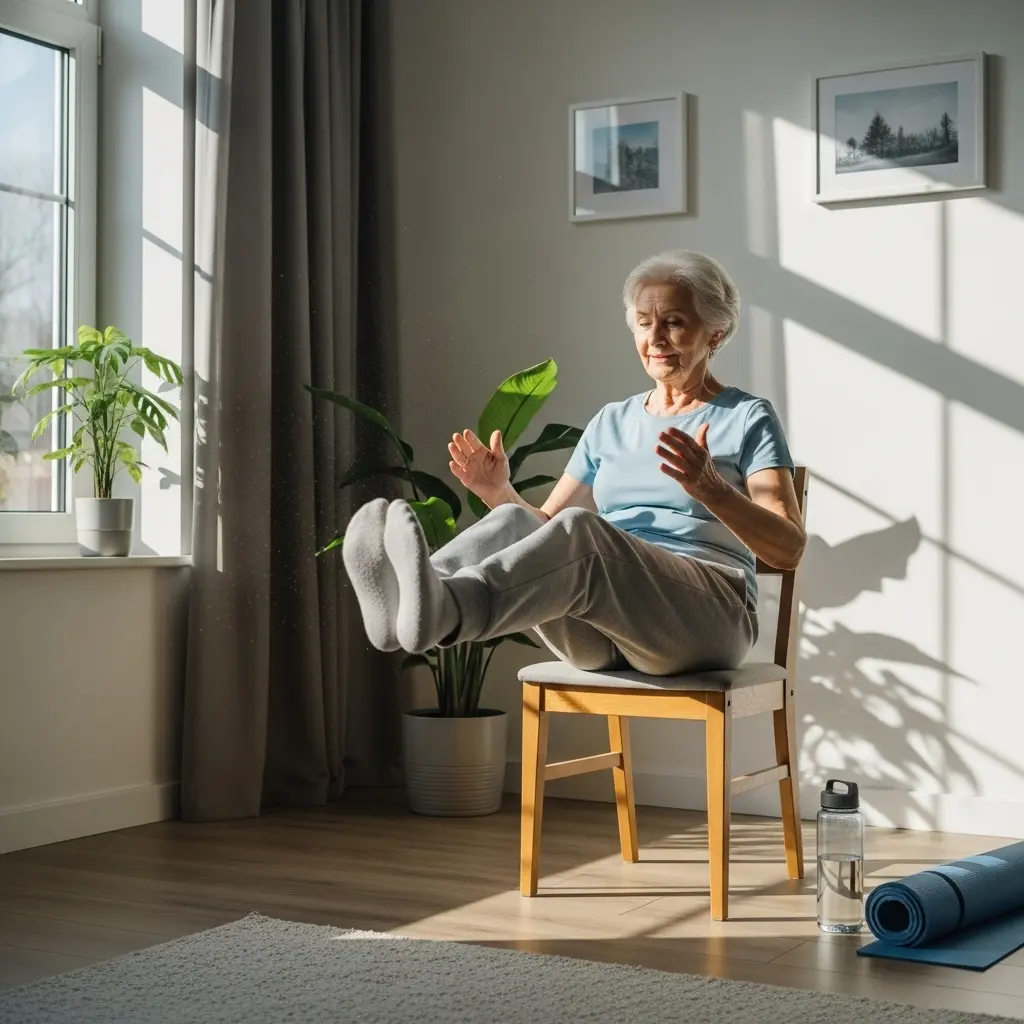
You don’t need a gym. Wall push ups, chair squats, seated leg raises, these are enough. Two or three times a week, doing a couple of sets of ten repetitions, is genuinely useful. The goal isn’t to get strong in a bodybuilder sense. It’s to keep the muscles functioning well so the rest of the system doesn’t have to compensate.
Important Safety Notes
A few things that are worth saying plainly before anyone starts a new routine:
If you have a heart condition, COPD, or are recovering from any illness, check with your doctor first
- Always take five minutes to warm up before you move into more effort
- Stop if you feel chest pain, pressure, or dizziness that doesn’t pass quickly
- Rest days are not optional. Recovery is part of how fitness is built
- Some breathlessness during exercise is normal. Sharp pain, chest tightness, or not being able to catch your breath after stopping is not
Start easier than you think you need to. The people who get hurt or burn out are almost always the ones who went too hard too soon.
How Home Care Makes a Difference for Older Adults
For older adults especially, having support at home can make the difference between staying active and staying stuck.
Families in Orland Park have found that in home health care in Orland Park IL gives seniors a way to keep moving safely, with someone there to monitor how they’re doing and adjust if needed.
In Palos Heights, senior home care in Palos Heights, IL often includes help with gentle daily movement, monitoring breathing during activity, and keeping an eye out for early warning signs that something has changed.
For those recovering from a cardiac event or respiratory illness, skilled nursing care at home in Palos Hills, IL lets clients rebuild stamina in a familiar environment while a nurse tracks vitals and adjusts the plan along the way.
Families further out, toward Naperville, can connect with older health care services in Naperville IL that specialize in helping seniors stay independent while managing the health challenges that come with age.
Having that kind of consistent professional support at home takes real pressure off the senior and the family both.
What to Realistically Expect
Two to four weeks in, most people notice small things. The same walk feels a little easier. They’re not as winded at the top of the stairs. Recovery after activity is a little quicker.
By eight to twelve weeks of consistent effort, the changes become more concrete. Resting heart rate often drops a few beats. Stamina improves noticeably. People can move faster or longer without it feeling like work.
Six months in, the difference is usually significant enough that people don’t want to stop.
The one thing that derails progress more than anything else is inconsistency. A missed day here and there is nothing. A week off, then two, then a month, and you’re starting over. The body gives back what you put in, but only if you keep showing up.
Mistakes Worth Avoiding
Starting too hard. It is very common for people to go from zero to intense in the first week and then injure themselves or feel so sore they stop. The first few weeks should feel almost too easy. That’s not wasted effort. That’s a smart effort.
Treating it like a sprint. This kind of health building is long term. Three decent weeks followed by three weeks off doesn’t produce lasting change. Three months of steady, moderate effort does.
Pushing through warning signs. Fatigue that goes away is normal. Chest pressure that doesn’t, or shortness of breath that lingers after you’ve stopped exercising, is a reason to pause and check in with someone.
Questions That Come Up Often
How long before lung capacity actually improves?
Most people notice real change in four to eight weeks with consistent aerobic exercise and some breathing practice. The muscles around the lungs get stronger and breathing becomes more efficient.
Can lungs recover from years of poor habits?
They can, more than most people expect. Especially after stopping smoking or reducing exposure to irritants. They respond best when you actively support them. Passive improvement is slower and less reliable.
What is the single best exercise to do?
Walking. For most people, especially those starting from a low baseline, nothing else offers the same combination of accessibility, low injury risk, and genuine cardiovascular benefit. If you can only do one thing, walk consistently.
Is walking enough on its own?
For many people, yes, especially in the beginning. A thirty minute walk at a pace that gets your breathing up, done most days of the week, builds real fitness over time. A lot of people have meaningfully improved their heart and lung strength through walking alone.
Do breathing exercises actually work?
Yes. They are especially helpful for people with asthma or COPD, but useful for anyone. Five to ten minutes of intentional breathing practice each day improves respiratory muscle strength and oxygen efficiency over weeks.
Is it safe for seniors to work on this at home?
Yes, with sensible precautions. Start easy, check with a doctor if managing a health condition, and consider having someone present during early exercise sessions. Progress tends to be slower for older adults, and that’s completely fine. Slow progress is still progress.
One Last Thing
You don’t have to overhaul your life to start improving your heart and lungs. You just have to start.
A short walk today. A few slow, intentional breaths. Maybe some chair squats before dinner. That’s a real beginning.
Most people who stay consistent for a few months feel genuinely different. More energy. Less breathlessness. Moving through the day with less effort. That’s what this kind of steady, unspectacular effort actually produces.
Small steps really do add up. And consistency, more than anything else, is what gets you there. Read more