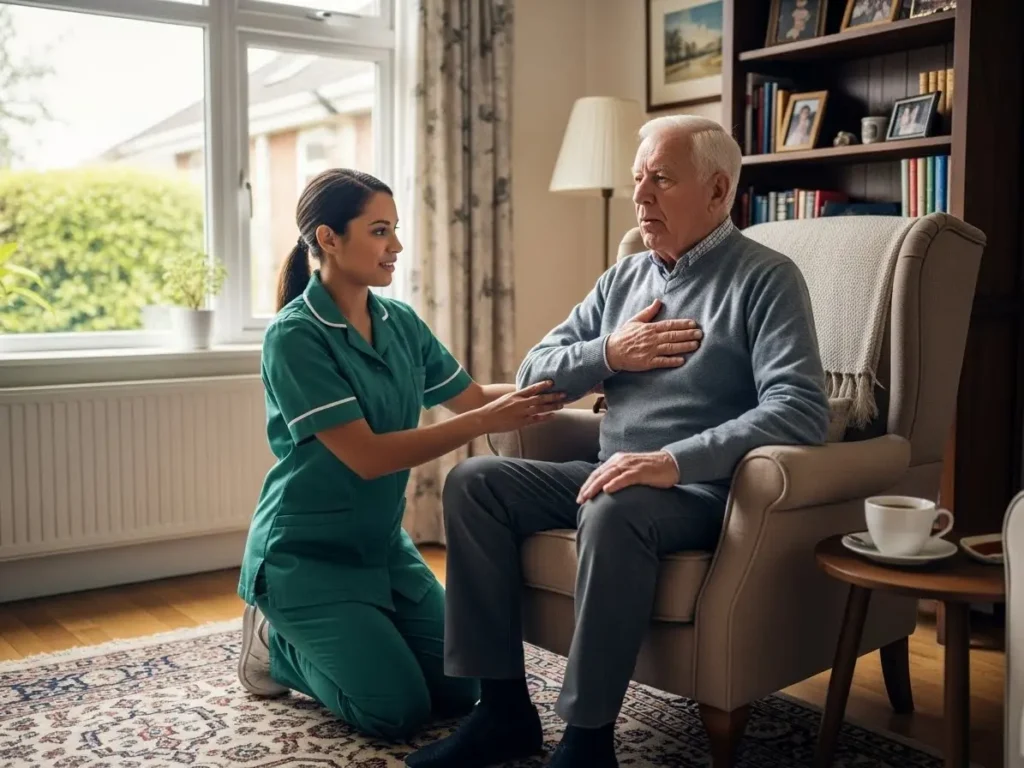
Hey so, first, I just want you to take a slow breath with me. In and out There, that’s already a little better, right? I know that sometimes just talking about lungs and breathing can feel overwhelming, especially if you’ve been short of breath lately, or caring for someone who struggles to breathe. And well, it’s scary. You feel like your body is betraying you, or like the person you love might be stuck in a loop of coughing and wheezing.
I’ve spent years sitting with people at their kitchen tables, helping them figure out ways to breathe a bit easier at home. And honestly, I’ve seen people feel discouraged at first. They try a new exercise or habit, and nothing seems to change right away. But over time, with a little patience, things do get better. So, let’s just talk about lungs. About strengthening them at home, safely, gently, and in ways that really work.
How Lungs Work
Okay, here’s the thing. Lungs aren’t some mysterious organ hidden away. They’re more like spongy bags inside your chest that fill with air every time you breathe in. And they’re connected to your heart, your muscles, your whole body.
When you breathe in, your lungs take in oxygen. That oxygen travels through tiny little tubes bronchi and bronchioles down into little air sacs called alveoli. Then the oxygen moves into your blood, and your body gets the fuel it needs. When you breathe out, your lungs push out carbon dioxide, which your body doesn’t need.
It sounds simple but if your lungs are weak, or if you have asthma, COPD, or even just feel out of shape, this process can feel stuck. Heavy. Tight. You might notice yourself holding your chest, coughing, or feeling tired just from walking up the stairs.
And that’s why strengthening your lungs at home matters. Even small improvements can make a huge difference in daily life. Walking to the mailbox, climbing stairs, or just laughing without wheezing feels better.
Can Lungs Heal Themselves?
I want to be honest here, because I’ve had families who are confused about this. People ask me all the time:
The answer is kind of yes. Sort of. Your lungs do have some ability to repair themselves. For example, if you’ve smoked and you stop, your lungs start healing pretty quickly. The cilia, the little hairs that clear mucus, start moving again. Inflammation goes down. You breathe easier over time.
But lungs don’t regenerate like skin does. If you have severe damage, like scarring from long term COPD, that part won’t fully heal. What you can do, though, is help your lungs work better around the damage. You can strengthen the muscles you use to breathe. You can clear mucus more effectively. You can improve stamina and overall oxygen intake.
So, yes, lungs can heal themselves, but mostly in ways that make you feel better and function better, not necessarily return to brand new lungs.
What Really Strengthens the Lungs
Here’s the truth I’ve seen over years: nothing fancy, no expensive machines, just consistent movement, breathing, and care.
What exercises strengthen the lungs naturally? Well, you want exercises that:
- Open up your chest
- Improve oxygen exchange
- Strengthen your diaphragm and breathing muscles
- Increase stamina slowly
Some of the things I’ve seen really help are walking, gentle stretching, yoga, and yes, dedicated breathing exercises. Even a few minutes a day can make a difference if you’re consistent. And don’t underestimate the power of pacing yourself. Short, slow sessions are better than overdoing it once.
Breathing Exercises That Actually Help
Alright so let’s get a bit practical. I know people often ask me for breathing exercises for asthma. And well, there are a few I always recommend.
Diaphragmatic Breathing (Belly Breathing)
Sit or lie down comfortably. Put one hand on your chest and one on your belly. Breathe in slowly through your nose. Your belly should rise more than your chest. Exhale slowly through pursed lips. Do this for 5 to 10 minutes a day. You’ll notice your shoulders relax, and over time, your breathing gets smoother.
Pursed Lip Breathing
This is great for asthma flare ups or shortness of breath. Inhale through your nose for two counts. Purse your lips like you’re whistling, then exhale slowly for four counts. It feels silly at first, but it helps keep your airways open and prevents panic breathing.
Box Breathing
Inhale for four counts. Hold for four counts. Exhale for four counts. Hold for four counts. Repeat. I often do this with older adults who are anxious about breathing. They relax, their heart rate comes down, and yes, their lungs get a little more efficient.
Light Cardio
Walking, cycling slowly, or swimming gently can act as breathing exercises for asthma because your lungs have to work steadily, but safely. Don’t push to exhaustion; slow, steady, consistent is better. I always remind people and I mean this: slow progress is still progress. Even 5 minutes extra walking a day adds up over weeks.
How Long It Takes to Improve Lung Capacity
People worry: How long does it take to improve lung capacity?
Honestly, it depends. I’ve seen people notice a little difference in a couple of weeks. More noticeable improvement usually takes a few months. And if you’ve had chronic lung issues, it might be gradual months, not weeks.
But here’s the encouraging part: the changes are cumulative. Your lungs and breathing muscles are like any muscle they respond to consistent practice. And sometimes, the improvements sneak up on you. One day, you realize you can climb a small hill without gasping and it feels huge.
Daily Habits That Support Lung Health
It’s not just exercises. Daily habits really matter. Some of the best daily habits for lung health naturally include:
- Staying active walk, stretch, do gentle housework
- Not smoking and avoiding smoke exposure
- Practicing your breathing exercises regularly
- Keeping your home air clean, ventilated, and dust free
- Staying hydrated
- Managing weight extra weight can make breathing harder
I’ve seen people who just focus on these simple habits feel less tightness in their chest, fewer coughing fits, and more energy. Sometimes it feels like a miracle, but really it’s just steady care.
Foods That Support Better Breathing
Now, I know it sounds funny, but what you eat can affect breathing. Some foods that help lung health naturally are:
- Colorful fruits and vegetables vitamin C and antioxidants help reduce inflammation
- Fatty fish like salmon for omega 3s
- Foods rich in magnesium like spinach, pumpkin seeds, and beans magnesium helps muscles relax
- Garlic and onions they may help reduce lung irritation
- Green tea anti inflammatory benefits
Nothing is a magic cure. But over weeks and months, people notice they cough less and breathe a little easier when they focus on lung friendly foods.
When Home Health Care Helps
Sometimes, despite your best efforts, you might need extra help at home. I’ve worked with many families who benefit from home health care for COPD patients or older adults who struggle with daily activities.
Home health care in Chicago Illinois, for instance, can provide:
- Skilled nurses for medication and breathing support
- Help with daily exercises
- Monitoring oxygen levels
- Support for mental health issues, which I’ll talk about next
It’s not just for severe cases. Even small check ins can make life easier and safer. And if you’re caring for someone older, home health care for seniors in Chicago is sometimes a lifeline.
Mental Health and Breathing
Stress, anxiety, depression all affect breathing. I can’t tell you how many times I’ve seen someone get short of breath, and it’s not just their lungs it’s panic tightening their chest. Gentle breathing exercises, mindfulness, and sometimes home care for seniors with mental health issues can make a big difference. Even sitting quietly, practicing slow breathing, and having someone watch over you can lower anxiety and improve oxygen intake.
Paying for Home Health Care
You might wonder: Does Medicare pay for home health care for seniors?
Yes, sometimes. Medicare can cover home health care if a doctor certifies it’s needed for a medical condition and you’re mostly homebound. Coverage can vary, so it’s good to check with your provider or a social worker.
Choice Are Home Health
For example, Choice Care Home Health offers support without any hype just facts. They provide nurses, aides, and therapy for people at home. I’ve visited patients under home health care in Chicago Illinois through them, and the focus is on safety, comfort, and steady support.
Common Questions People Ask
What if I have COPD will exercises help?
Yes, they can. Light cardio, breathing exercises for asthma, and daily habits all improve stamina and reduce flare ups.
How long before I notice a difference?
Some people notice in weeks, others in months. Little gains add up.
Is it safe to do these exercises if I get dizzy?
Stop and rest if you feel dizzy. Start very slow, and consider consulting a doctor if symptoms persist.
Can I really improve my lungs at home?
Yes, gently and gradually. Consistency matters more than intensity.
How do I make these habits stick?
Pair exercises with daily routines after brushing teeth, or during TV time. Short sessions work better than long, exhausting ones.
When should I call for home health support?
If breathing feels unsafe, if coughing increases, or if daily activity becomes too hard don’t wait.
Can older adults really strengthen their lungs?
Absolutely. Even gentle movement and breathing exercises help. I’ve seen seniors improve over months with small, steady steps.
Are there foods I should avoid?
Highly processed foods, excessive salt, and smoke exposure can worsen lung irritation.
Closing
So, that’s a lot to take in, I know. But the key is: small steps, steady care, and patience. Your lungs are resilient. They might not bounce back perfectly, but they can work better with time, practice, and gentle attention.
Remember, it’s okay to feel discouraged sometimes. You might notice progress slowly. And that’s normal. Keep practicing breathing exercises for asthma, take care of daily habits, eat lung friendly foods, and ask for help if you need it.
One day, you’ll realize you’re walking farther, laughing without coughing, or just breathing a little easier. And well, that’s worth everything. Take another slow breath with me. In and out Good. That’s the first step today. Read more