

When it comes to rehabilitation, whether after surgery, injury, or managing a chronic condition, the role of a Physical Therapy Assistant (PTA) is crucial. In Chicago, hiring the best PTA can make a significant difference in recovery speed, comfort, and long term mobility. This article provides a thorough, user focused guide for understanding PTAs, their responsibilities, qualifications, and how to choose the right one for your needs.
The Role of a Physical Therapy Assistant
A Physical Therapy Assistant is a licensed healthcare professional who works under the supervision of a physical therapist. PTAs provide hands on care, guiding patients through therapeutic exercise programs, functional mobility training, and pain management therapy. They bridge the gap between clinical plans and real world recovery, ensuring patients perform exercises correctly and safely, whether in a clinic or at home.
In Chicago, PTAs are increasingly providing home based physical therapy support, making rehabilitation accessible, convenient, and personalized. Their expertise allows patients to regain independence, improve mobility, and maintain overall health.
Who Can Benefit From a Physical Therapy Assistant?
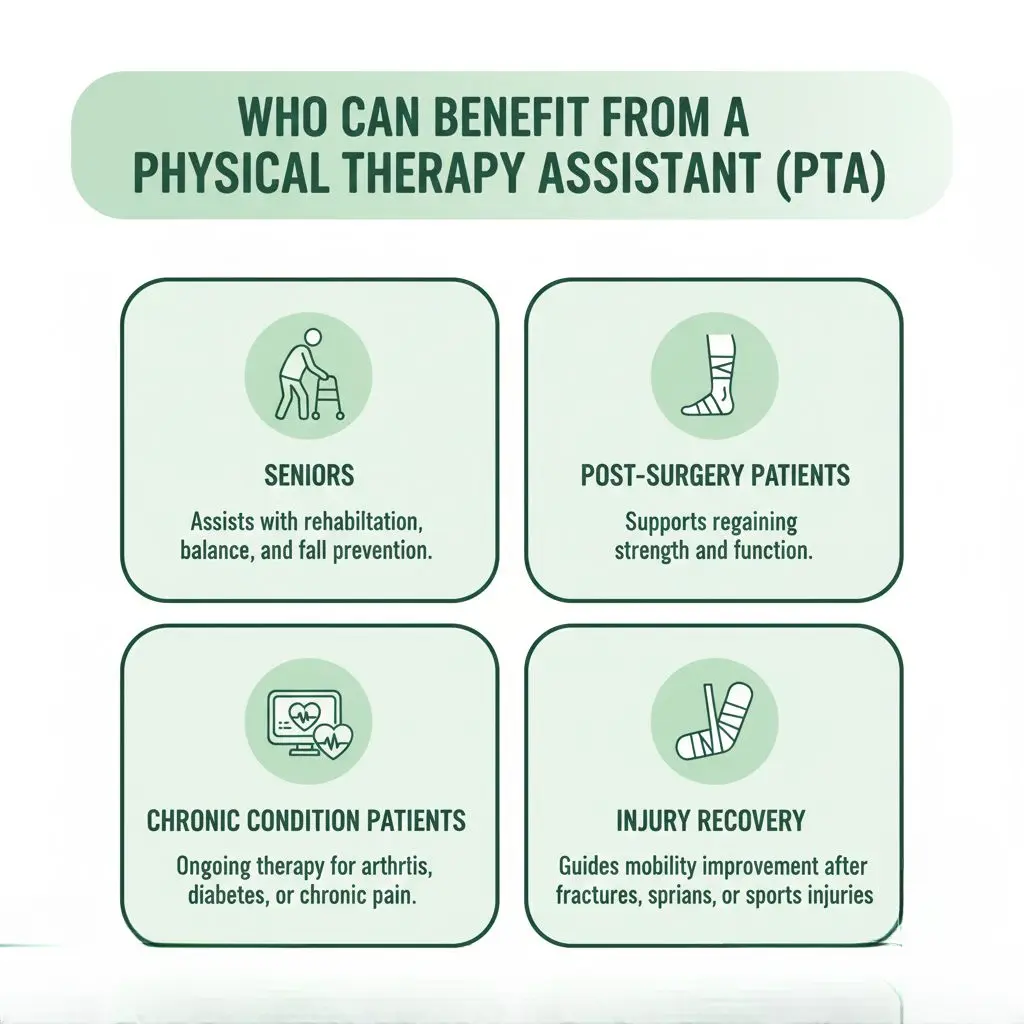
PTAs serve a broad range of patients, including:
- Seniors: Assisting with senior rehabilitation services, balance, and fall prevention.
- Post surgery patients: Providing post surgery physical therapy to regain strength and function.
- Chronic condition patients: Supporting ongoing therapy for conditions like arthritis, diabetes, or chronic pain.
- Injury recovery: Guiding patients through mobility improvement exercises after fractures, sprains, or sports injuries.
For example, a senior recovering from hip replacement may work with a PTA at home to regain walking ability, perform functional mobility training, and follow a structured therapeutic exercise program safely.
Key Responsibilities of a PTA
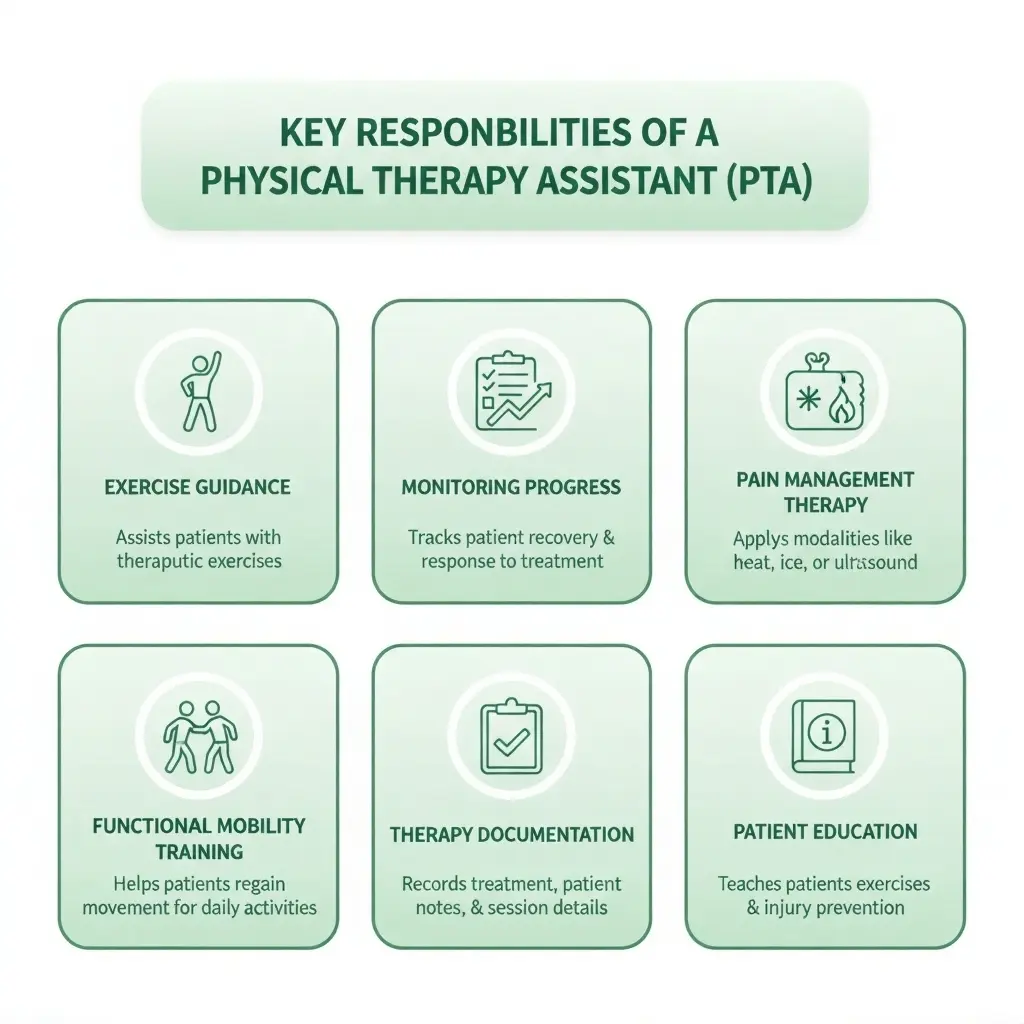
Physical Therapy Assistants in Chicago perform a wide range of duties designed to support patient recovery:
- Exercise guidance: Demonstrating and supervising mobility improvement exercises, balance training, and strength routines.
- Monitoring progress: Tracking patient improvements and reporting to the supervising physical therapist.
- Pain management therapy: Applying techniques such as heat, ice, or electrical stimulation as directed.
- Functional mobility training: Teaching patients how to perform everyday tasks safely.
- Therapy documentation: Keeping accurate records of patient sessions and progress.
- Patient education: Explaining exercises, safety precautions, and home based care tips.
PTAs ensure patients adhere to their rehabilitation plan while preventing injuries and encouraging consistent progress.
Qualifications and Certifications
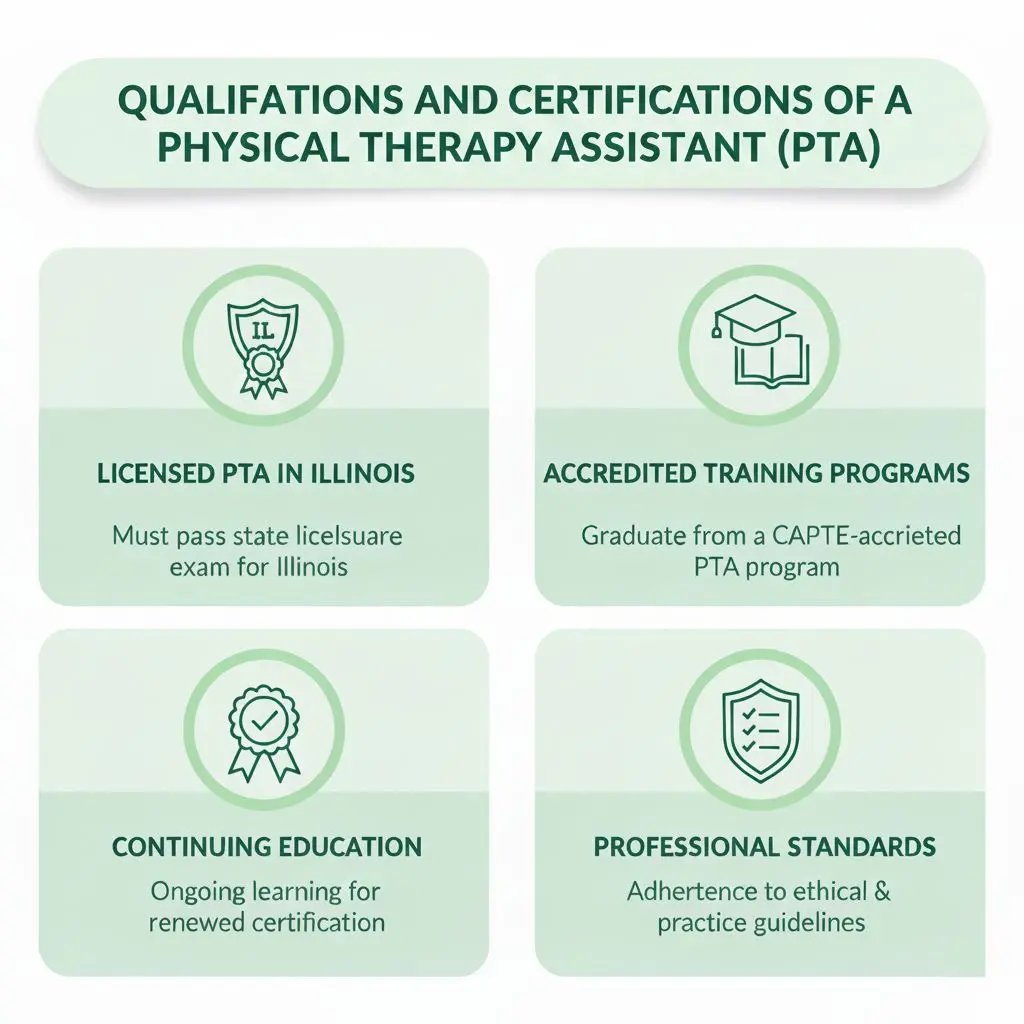
Hiring a licensed physical therapy assistant is essential. Key qualifications include:
- Licensed PTA in Illinois: Completion of an accredited PTA program and passing the national licensing exam.
- Training programs: Understanding of anatomy, kinesiology, therapeutic exercise programs, and patient care techniques.
- Continuing education: Many PTAs pursue additional certifications in areas such as geriatric or orthopedic care.
- Professional standards in Chicago: Compliance with Illinois state regulations and clinic specific protocols.
A licensed PTA ensures safe, evidence based therapy, particularly important when working with seniors or post surgical patients at home.
How PTAs Support Home Based Care
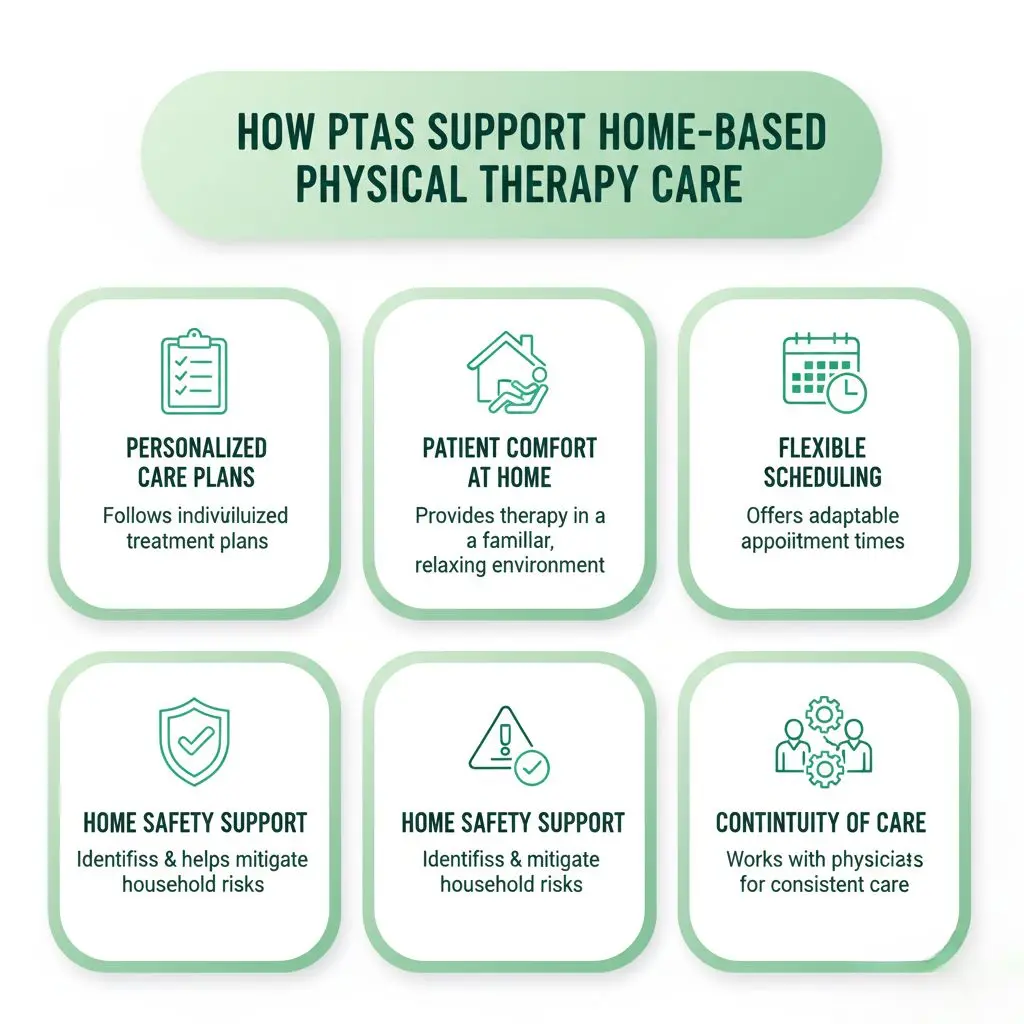
Home physical therapy assistants in Chicago provide several advantages over traditional clinic based care:
- Personalized care plans: Tailored exercises to match patient needs and living conditions.
- Patient comfort: Therapy in familiar surroundings can reduce stress and encourage engagement.
- Flexibility: Scheduling sessions around daily routines and transportation limitations.
- Safety: PTAs identify home hazards and teach safe mobility techniques.
- Continuity of care: PTAs work closely with the supervising physical therapist to ensure consistent progress.
For example, a patient recovering from shoulder surgery may receive in home rehab services to perform gentle range of motion exercises under supervision, accelerating recovery while staying comfortable at home.
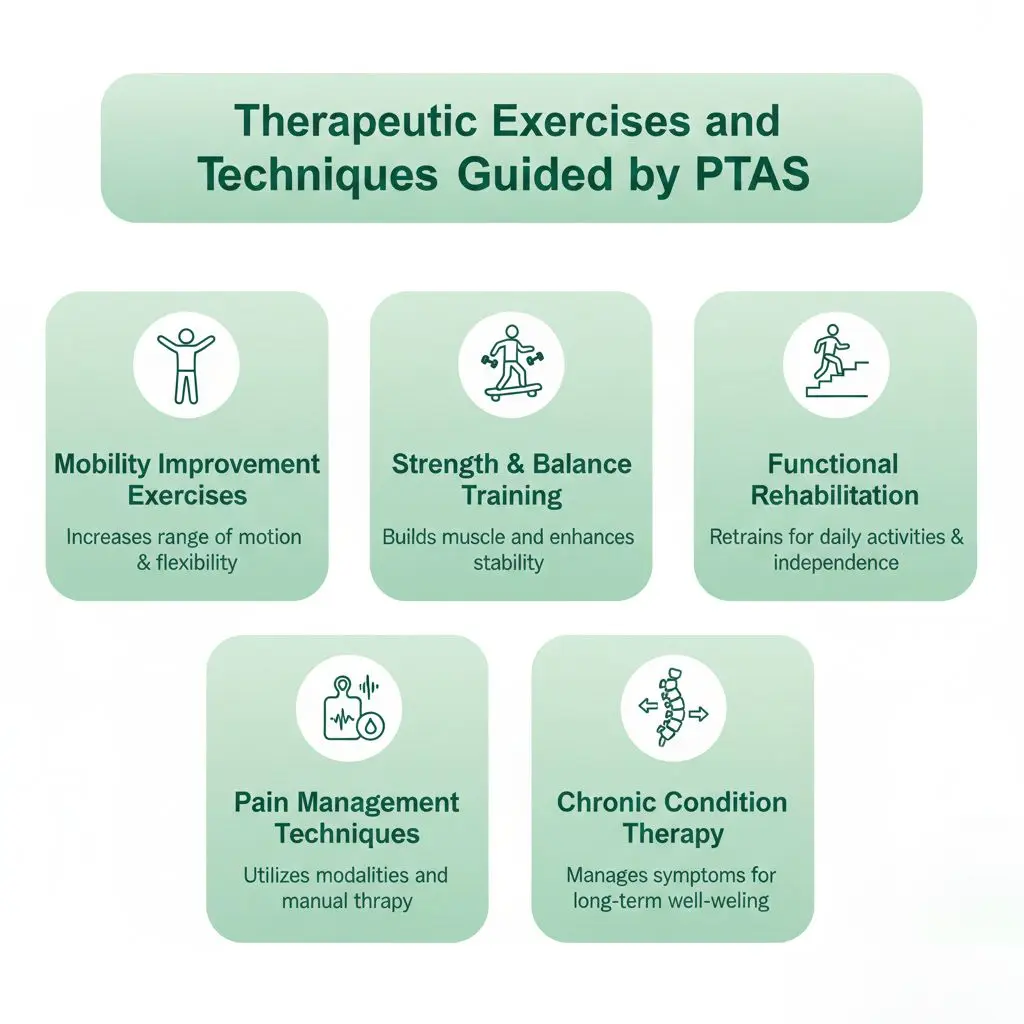
Therapeutic Exercises and Techniques
PTAs guide patients through various exercises and techniques depending on their goals and conditions:
- Mobility improvement exercises: Range of motion routines, stretching, and functional movements.
- Strength and balance training: Weight bearing exercises, resistance bands, and balance drills to prevent falls.
- Functional rehabilitation: Simulating daily activities such as stair climbing or lifting objects safely.
- Pain management techniques: Ice/heat application, electrical stimulation, and gentle manual therapy.
- Chronic condition therapy: Low impact exercises to manage arthritis, back pain, or neurological disorders.
A PTA customizes these exercises to each patient’s abilities, ensuring safe progression and measurable improvements.
Choosing the Best PTA in Chicago
Selecting the right PTA requires careful consideration:
Check credentials: Verify licensing and specialized certifications.
Experience: Look for experience with your specific condition or age group.
Patient reviews: Seek testimonials about reliability, professionalism, and outcomes.
Communication: Ensure the PTA communicates clearly and responds to questions.
Home based care options: Confirm availability for in home physical therapy if needed.
Collaboration with PTs: Ensure coordination with supervising physical therapists for integrated care.
Using search terms like home physical therapy assistant Chicago or licensed PTA near me can help locate qualified professionals.
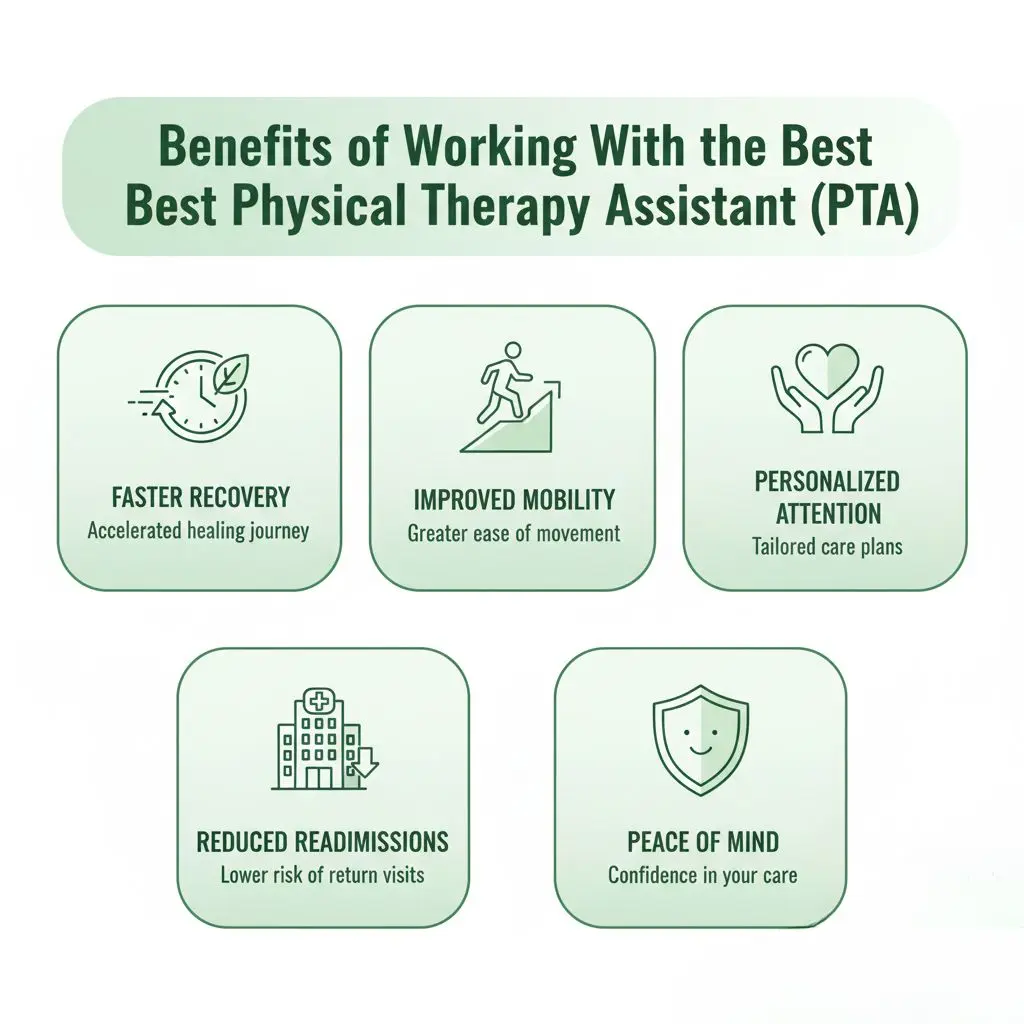
Benefits of Working With the Best PTA
Hiring a highly skilled PTA offers multiple advantages:
- Faster recovery: Consistent, supervised exercises promote quicker rehabilitation.
- Improved mobility: Patients regain strength, flexibility, and independence.
- Personalized attention: Tailored therapy programs meet individual needs.
- Reduced hospital readmissions: Effective home based therapy prevents complications and relapses.
- Peace of mind: Families feel reassured knowing their loved one is receiving expert care.
For instance, a post surgical patient recovering from knee replacement may experience fewer complications and achieve full mobility sooner under the guidance of an experienced PTA.
Common Questions About PTAs
How often should I see a PTA?
Typically 2 to 3 sessions per week for intensive recovery, though frequency depends on your condition and PT recommendation.
How long does a session last?
Sessions range from 30 minutes to an hour, tailored to patient tolerance and therapy goals.
Does insurance cover PTA services?
Many plans cover licensed PTA services prescribed by a physical therapist. Always check with your provider.
Can PTAs work in the home?
Yes, home based physical therapy support is common in Chicago for seniors, post surgical patients, and those with mobility limitations.
How do PTAs communicate with physical therapists?
PTAs document sessions and report progress, ensuring the supervising PT can adjust treatment plans as needed.
What is long term benefit?
Continued guidance from a PTA supports lasting mobility, independence, and quality of life.
About Choice Care Home Health
ChoiceCare Home Health is widely recognized as the best choice home health care provider in Chicago. Accredited by the Accreditation Commission for Health Care (ACHC) and Medicare, ChoiceCare Home Health demonstrates a commitment to the highest standards of care and service. Their licensed PTAs provide compassionate, personalized in home therapy, ensuring each patient receives safe, effective, and patient centered rehabilitation.
Conclusion
A qualified Physical Therapy Assistant is vital for effective recovery, mobility improvement, and pain management. In Chicago, PTAs support both clinic based and home based care, offering therapeutic exercise programs, functional mobility training, and senior rehabilitation services. By selecting a licensed, experienced, and patient focused PTA, families can ensure safer, faster, and more personalized rehabilitation outcomes. Working with professionals like those at ChoiceCare Home Health further ensures expert guidance, compassionate care, and a focus on restoring independence and quality of life.